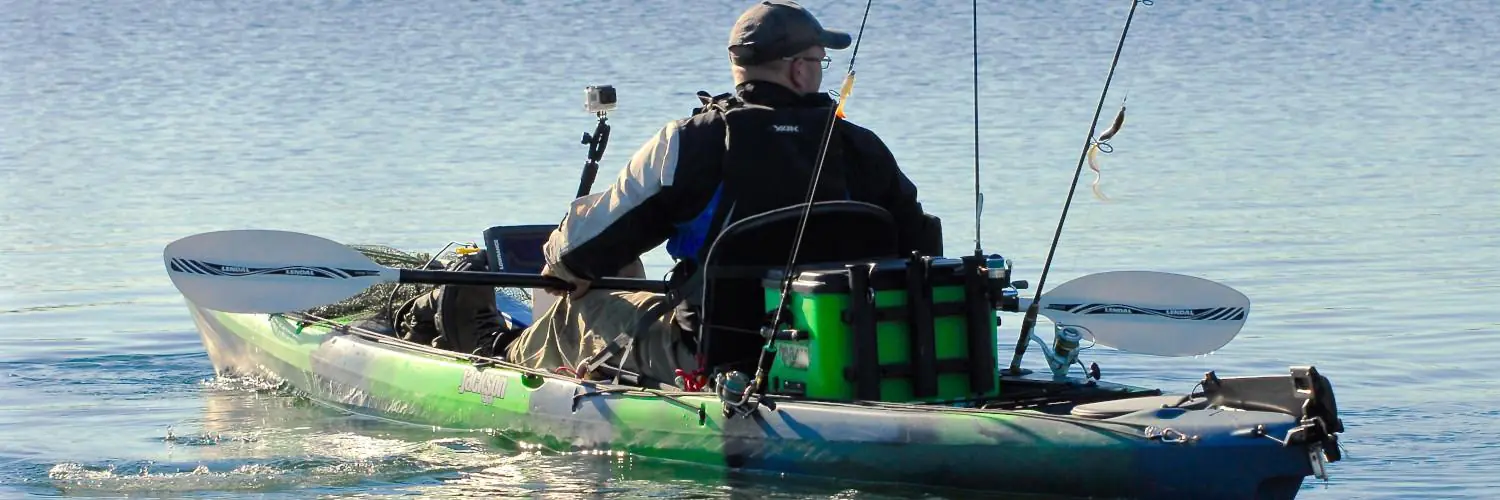
Adding a fishing rod holder to your kayak can greatly improve your fishing experience. It allows you to keep your hands free for paddling while keeping your rods secure and within easy reach. Installing a rod holder on a kayak is a simple DIY project that most people can complete in under an hour with basic tools.
There are several types of rod holders to choose from, including flush mount and deck mount options. Flush mount holders sit lower in the kayak for a sleeker look, while deck mount holders attach to the top surface. Both styles work well for kayak fishing and the choice often comes down to personal preference.
Before installing, it’s important to plan the placement of your rod holders carefully. Think about where they’ll be most convenient to reach while seated in your kayak. Many anglers install holders behind the seat for trolling or on the sides for easy access. With the right placement and installation, rod holders can make kayak fishing more enjoyable and productive.
Table of Contents
Selecting the Right Rod Holders for Your Kayak
Rod holders are key for kayak fishing. They keep rods secure and free up your hands. There are a few main types to choose from.
Flush Mount Rod Holders
Flush mount rod holders sit flat against the kayak’s surface. They’re built into the kayak deck for a sleek look. These holders are great for trolling and hold rods at an angle.
Flush mounts are sturdy and don’t snag on things. They work well for bigger rods. The downside is they’re harder to install after you buy the kayak. You’ll need to cut holes in the deck.
Most flush mounts are made of plastic or metal. Plastic is lighter but metal lasts longer. Make sure to pick a size that fits your rod’s butt end.
Vertical Rod Holders
Vertical rod holders stand up straight on the kayak. They keep rods upright and easy to grab. These are good for quick access when you’re fishing in one spot.
Many vertical holders can rotate. This lets you change the rod angle. Some also tilt to the side. This helps when you’re reeling in a fish.
Vertical holders often clamp on or screw into gear tracks. This makes them easy to move or remove. They come in different heights. Taller ones keep rod tips further from the water.
Clamp-On Rod Holders
Clamp-on rod holders attach to the side of the kayak. They’re very easy to install and move. No drilling is needed. This makes them great for renters or people who switch kayaks often.
Most clamp-ons use a strong C-clamp to grip the kayak. Look for ones with rubber pads to protect the boat. Some can hold rods at different angles.
Clamp-ons are less stable than other types. They might not work well in rough water. But they’re perfect for calm lakes and rivers. Make sure to pick one that fits your kayak’s thickness.
Tools and Materials Needed
Adding a fishing rod holder to your kayak requires some basic tools and supplies. The right equipment will make the installation process smooth and ensure a secure attachment.
Hardware Essentials
Stainless steel bolts and lock nuts are key for attaching rod holders. Choose bolts long enough to go through your kayak’s hull and rod holder base. Lock nuts prevent loosening from vibration. Washers help distribute pressure.
Bungees can secure rods in the holders. Get marine-grade bungees that resist UV damage and saltwater. Pack extra nuts and bolts in case you drop any overboard.
Consider the rod holder type you want – flush mount, deck mount, or rail mount. Each needs specific hardware. Check the manufacturer’s recommendations.
Drilling Tools
A power drill is essential for making holes in your kayak. Use a drill bit slightly larger than your bolt diameter. Start with a small pilot hole, then step up to the final size.
A paddle bit works well for flush mount holders. It creates a wide, flat-bottomed hole.
Wear safety glasses when drilling. Have spare bits on hand in case one dulls. A center punch helps mark precise drilling spots.
Sealants and Protective Materials
Silicone sealant waterproofs holes and prevents leaks. Marine-grade silicone resists mold and stays flexible. Apply it generously around bolts and mounting surfaces.
Use rubber washers or gaskets between the rod holder and kayak. This creates a watertight seal and reduces vibration.
Consider adding backing plates inside the kayak. These spread the load and prevent cracking. Cut them from sturdy plastic or marine plywood.
Touch-up paint can cover any scratches from installation. Match it to your kayak’s color for a clean look.
Installation Process
Adding rod holders to a kayak requires careful planning and execution. The process involves selecting mounting locations, preparing the kayak surface, and securing the holders properly.
Mounting on Gear Tracks
Gear tracks offer a simple way to install rod holders without drilling. They attach to the kayak with screws or adhesive. Place the track in your chosen spot and mark screw holes. Pre-drill if needed, then secure the track with stainless steel screws.
Slide the rod holder base into the gear track. Tighten the base to lock it in place. This method allows for easy adjustments and removal of rod holders as needed.
Gear tracks come in different lengths and styles. Choose ones that fit your kayak and fishing needs. Some tracks can hold multiple accessories, not just rod holders.
Drilling and Securing Rod Holders
For a permanent setup, drilling into the kayak is necessary. Pick a spot that won’t interfere with paddling or seating. Mark the area and drill pilot holes. Use the right size drill bit for your rod holder screws.
Apply marine sealant around the holes. Insert the rod holder and secure it with stainless steel bolts. Add a backing plate inside the kayak for extra strength. Tighten everything with lock nuts.
Check that the rod holder is level and at the right angle. Test it with a fishing rod to ensure proper fit and function.
Ensuring a Watertight Seal
Keeping water out is crucial when adding rod holders. Clean the kayak surface thoroughly before installation. Use marine-grade silicone sealant around all holes and mounting points.
Apply a generous amount of sealant under the rod holder base. As you tighten the bolts, some sealant should squeeze out. This extra sealant forms a watertight barrier.
Let the sealant dry completely before testing or using the kayak. Check for any gaps or cracks after drying. Add more sealant if needed. Regularly inspect the seal to maintain watertightness over time.
Safety and Maintenance
Keeping your kayak fishing rod holders safe and well-maintained is key for a smooth experience on the water. Proper care ensures your gear stays secure and functions reliably trip after trip.
Rod Leashes and Security
Rod leashes are essential for protecting your fishing rods while kayaking. These simple devices attach your rod to the kayak, preventing loss if it gets knocked overboard. Most leashes use a coiled design that stretches when needed but stays compact otherwise. Attach one end to your rod and the other to a sturdy point on your kayak.
Bungees offer another way to secure rods. Many kayaks have built-in bungee cords that can hold rods in place. If yours doesn’t, you can add aftermarket bungees. Make sure to choose marine-grade options that can withstand sun and water exposure.
Regular Inspections and Tightening
Check your rod holders before each trip. Look for any cracks, loose parts, or signs of wear. Tighten any loose screws or bolts you find. Salt water can speed up corrosion, so rinse your rod holders with fresh water after each use.
Pay special attention to mounting points. Over time, the vibration from paddling can loosen attachments. A wobbly rod holder is a safety risk and could lead to lost gear. If you notice any damage, replace the rod holder before your next outing.
Lubricate moving parts occasionally with a marine-grade lubricant. This helps prevent rust and keeps adjustable holders working smoothly. A little maintenance goes a long way in extending the life of your rod holders.
Optimizing Your Fishing Setup
Adding rod holders is just the start. Smart accessories and systems can take your kayak fishing to the next level. Let’s look at two key upgrades to boost your catch.
Accessorizing for Trolling
Trolling lets you cover more water and catch more fish. A trolling rod holder keeps your line in the water while you paddle. Mount it behind you for easy access. Look for holders that adjust to different angles.
Add a fish finder to spot schools and structure. Mount it where you can see it easily. A GPS combo unit helps you mark hotspots.
Planer boards spread out your lines, increasing your coverage area. Clip them to your kayak’s sides.
Don’t forget a net with an extendable handle. It makes landing fish much easier from a kayak.
Integrating an Anchor Trolley System
An anchor trolley system gives you more control in wind and current. It lets you position your kayak precisely for the best casting angles.
The system runs along the side of your kayak. It uses pulleys and a rope to move your anchor point from bow to stern.
Install cleats at both ends to secure the line. Use a zig-zag cleat in the middle for quick adjustments.
Add a float to your anchor line. This makes retrieval easier and prevents snags.
A drift chute can slow your kayak in strong currents. Attach it to your anchor trolley for versatility.