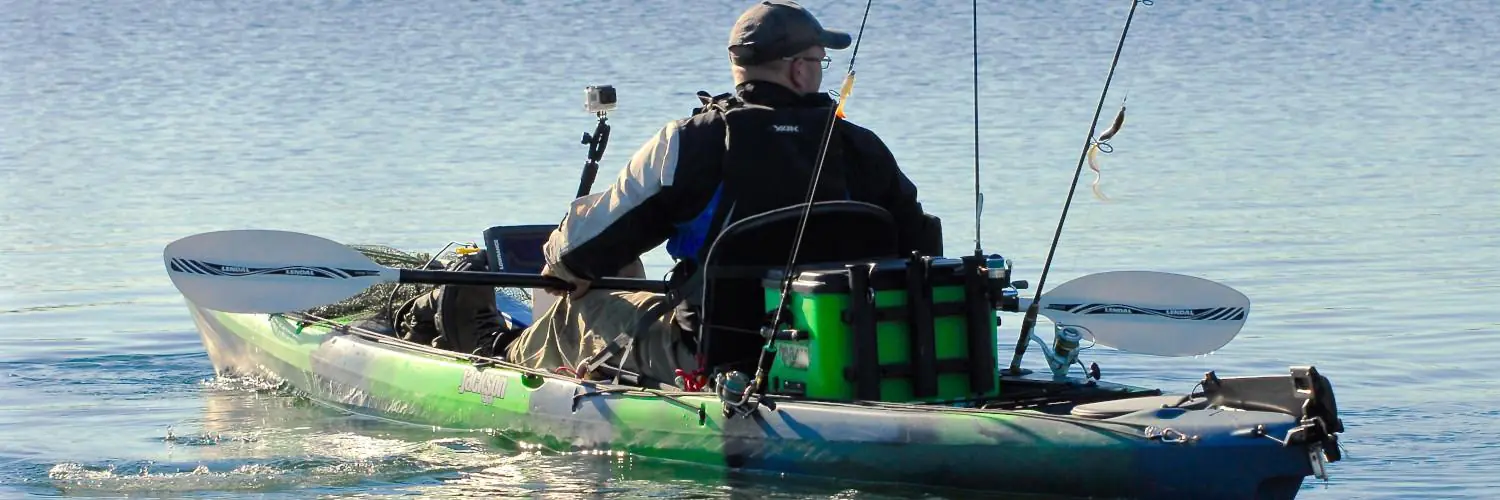
A battery powered kayak motor changes how people move on the water. It adds quiet, steady propulsion that saves energy and extends range without losing the calm experience of paddling. A battery powered kayak motor provides efficient, low-noise movement that makes travel easier and fishing more productive.
As technology improves, these compact motors have become lighter, stronger, and easier to install. They fit a wide range of kayaks and work with both lithium-ion and lead-acid batteries. From small jet-style units like the Bixpy K-1 to more powerful systems such as the Newport NK300 or Torqeedo Ultralight, each setup offers unique benefits in speed, control, and runtime.
This guide explains how these motors work, how to choose one that fits specific needs, and how to manage power for longer trips. It also covers installation, performance, and simple maintenance to keep the system running smoothly.
Table of Contents
Understanding Battery Powered Kayak Motors
Battery powered kayak motors use electric energy to move kayaks quietly and efficiently through the water. They reduce paddling effort, extend travel range, and allow precise control for fishing, touring, or exploring. The main factors include motor type, power output, battery capacity, and how the system converts stored energy into thrust.
What Is a Battery Powered Kayak Motor?
A battery powered kayak motor is a compact electric propulsion system designed to assist or replace manual paddling. It draws energy from a rechargeable battery, often lithium-ion or lead-acid, to spin a small propeller.
These motors mount on different parts of a kayak such as the stern, rudder, or fin box. They provide steady thrust that helps maintain speed and direction with minimal physical effort.
Most electric kayak motors include speed controls and wireless remotes, allowing users to adjust power levels or reverse direction easily. Because they produce no emissions and little noise, they are suitable for both freshwater and saltwater use and are popular among anglers who want to move quietly without disturbing fish.
Types of Kayak Motors
Kayak motors come in a few main configurations, each with specific advantages.
- Transom-mounted motors attach to the back of the kayak and are common for larger or heavier models.
- Rudder-mounted motors replace or attach to the existing rudder, combining steering and propulsion.
- Fin-mounted motors fit into a standard fin box, making them ideal for inflatable kayaks and stand-up paddleboards.
Some systems act as trolling motors, offering low-speed control for fishing. Others focus on higher thrust for longer trips.
| Motor Type | Mounting Location | Typical Use |
|---|---|---|
| Transom | Rear | Long-distance travel |
| Rudder | Rear steering system | Fishing, precise control |
| Fin | Bottom fin box | Compact, easy setup |
Choosing the right type depends on kayak design, weight, and intended activity.
How Battery Powered Motors Work
A battery powered motor converts stored electrical energy into mechanical motion. The battery sends current to the motor’s electric drive, which spins a propeller to push water backward, moving the kayak forward.
Most models use brushless motors for higher efficiency and reduced maintenance. The system’s controller manages speed and direction by adjusting voltage and current flow.
Battery capacity, measured in amp-hours (Ah) or watt-hours (Wh), determines how long the motor can run. For example, a 24V 50Ah battery can power a mid-size kayak motor for several hours, depending on speed and load.
Charging time varies by battery type—lithium-ion batteries usually recharge faster and last longer than lead-acid options. Proper care, such as rinsing after saltwater use and storing batteries in a cool, dry place, helps maintain performance over time.
Choosing the Right Battery Powered Kayak Motor
Selecting a battery powered kayak motor involves balancing power, efficiency, and compatibility. The right choice depends on the type of watercraft, battery system, and how the user plans to travel or fish on the water.
Key Selection Criteria
When choosing an electric kayak motor, thrust, battery voltage, and weight are primary factors. Thrust, measured in pounds, determines how well the motor can move a kayak or SUP through current and wind. Most small kayaks perform well with 30–55 lbs of thrust.
Battery voltage affects speed and runtime. Common setups include 12V, 24V, or 36V systems. A higher voltage provides more power but adds weight and cost. Lithium-ion batteries are preferred for their light weight and long life, while lead-acid options remain cheaper but heavier.
Ease of installation and control also matter. Some motors include remote steering, variable speed control, or digital displays showing battery life. For anglers, quiet operation is important to avoid disturbing fish. Durability, waterproofing, and saltwater resistance should also be checked before purchase.
Motor Compatibility With Kayaks and SUPs
Not all electric kayak motors fit every hull design. Compatibility depends on the mounting system and the craft’s structure. Stern-mounted motors are common on fishing kayaks, while rudder-mounted or side-mounted setups work better for inflatable kayaks and SUPs.
A stable mounting bracket prevents vibration and improves steering control. Many brands, such as Newport and Bixpy, offer universal mounts or adapters that fit a range of kayaks and stand-up paddleboards. Users should confirm that the motor’s shaft length suits the waterline depth of their craft.
For inflatable kayaks or lightweight SUPs, compact motors under 5 lbs reduce drag and maintain balance. Heavier watercraft can handle larger motors with higher thrust ratings. Checking the manufacturer’s compatibility chart before purchase helps avoid fitting issues and performance loss.
Top Brands and Models
Several brands lead the market for reliable battery powered motors. Newport Vessels NK180 Pro offers strong performance and works with any 24V battery, giving users flexibility. Bixpy K-1 is lightweight and ideal for small kayaks, inflatables, and SUPs.
Minn Kota Terrova provides advanced features like GPS anchoring and remote control, suited for larger fishing kayaks. Torqeedo Travel Ultralight combines a compact motor and custom lithium battery for efficient long-distance travel.
| Brand | Model | Voltage | Thrust / Power | Key Feature |
|---|---|---|---|---|
| Newport Vessels | NK180 Pro | 24V | 1.8 hp eq. | Works with any 24V battery |
| Bixpy | K-1 | Proprietary | 33–38 lbs | Lightweight jet-style motor |
| Minn Kota | Terrova | 12–36V | 55–115 lbs | GPS and remote control |
| Torqeedo | Travel Ultralight | Proprietary | 3 hp eq. | Integrated waterproof battery |
Each model serves different needs, from portability to power, allowing paddlers to match their motor to their specific kayak or SUP setup.
Battery Options and Power Management
Selecting the right battery setup determines how far and efficiently an electric kayak motor can run. Weight, capacity, and charging time all affect performance, safety, and convenience on the water.
Battery Types and Specifications
Most kayak motors run on 12-volt systems, though some larger setups use 24V for added thrust. The two main battery types are lithium iron phosphate (LiFePO4) and sealed lead-acid (SLA).
Lithium batteries weigh less, often around 20–25 lbs for a 100Ah unit, while SLA batteries can exceed 60 lbs. This weight difference improves handling and kayak stability.
| Type | Weight | Cycle Life | Usable Capacity | Maintenance |
|---|---|---|---|---|
| Lithium (LiFePO4) | Light | 3,000–4,000+ | Up to 100% | Low |
| Sealed Lead-Acid | Heavy | 300–500 | ~50% | Moderate |
Lithium models also provide steady voltage output, keeping motor speed consistent. Lead-acid units are cheaper upfront but degrade faster and lose efficiency after deep discharges.
Battery Life and Range
Battery life depends on amp-hour (Ah) rating, motor draw, and water conditions. A 50Ah battery running a 20-amp trolling motor lasts about 2.5 hours at full power. Reducing speed can double runtime.
Lithium batteries deliver more usable energy since they tolerate deeper discharge without damage. Lead-acid batteries should not drop below 50% capacity to avoid shortening lifespan.
Temperature also influences performance. Cold weather reduces output, while high heat can stress cells. Using a battery management system (BMS) helps monitor charge levels and prevent over-discharge or overheating.
For longer trips, paddlers often carry a spare 12V pack or choose higher-capacity models around 80–100Ah for extended range.
Charging and Maintenance
Charging speed varies by chemistry and charger type. A smart lithium charger can fully recharge a 50Ah battery in 3–5 hours, while a lead-acid version may take 8–10 hours.
Always use a charger matched to the battery’s voltage and chemistry. Overcharging can shorten lifespan or cause overheating.
Store batteries in a cool, dry place between uses. Lithium units require little upkeep beyond checking charge levels every few months. Lead-acid batteries need terminal cleaning and proper ventilation.
Keeping connections tight and dry ensures consistent power delivery to the electric kayak motor and reduces the risk of corrosion or power loss.
Installation and Setup
Installing a battery-powered kayak motor requires careful planning to ensure balance, power efficiency, and safety. Proper mounting, secure wiring, and attention to electrical protection help the system run smoothly and extend the life of both the motor and battery.
Mounting a Motor on Your Kayak
Mount placement affects how the kayak moves and handles. A stern mount pushes the kayak forward efficiently, while a bow mount offers better steering control. Many paddlers choose the stern for simplicity, especially when using smaller trolling motors.
Before drilling or attaching hardware, they should confirm that the kayak’s hull can support the motor and mounting bracket. Reinforcing the area with a backing plate or marine-grade sealant helps prevent leaks and damage.
Some kayaks come with pre-molded motor mounts or rudder mount adapters, which make installation easier. For kayaks without these, universal mounting kits can fit most hull shapes. The motor shaft length should match the kayak’s waterline—typically around 30–36 inches—to keep the propeller fully submerged without hitting the bottom.
A quick-release bracket or pivoting mount allows easy removal for transport or shallow-water paddling.
Wiring and Connections
A clean wiring setup reduces power loss and keeps the system safe. The motor connects to a 12-volt or 24-volt battery using marine-grade wires rated for the motor’s current draw. Thicker wires lower resistance and heat buildup.
An inline fuse or circuit breaker should be installed close to the battery to protect against short circuits. Many setups use Anderson Powerpole connectors or quick-disconnect plugs for convenience.
If the battery sits far from the motor, routing the wires through waterproof conduit or cable glands keeps them dry and secure. All terminals should be crimped tightly and covered with heat-shrink tubing to prevent corrosion.
Lithium batteries are lighter and last longer than lead-acid options but require compatible chargers and protection circuits.
Safety Considerations
Safety starts with checking the kayak’s weight capacity. The combined weight of the motor, battery, and gear must stay below the rated limit to maintain stability.
Users should install a kill switch or emergency cutoff that stops the motor if they fall overboard. Cables should be secured away from footrests and moving parts to prevent tripping or tangling.
Regular inspection of wiring, connectors, and seals helps prevent electrical shorts or water intrusion. Wearing a personal flotation device (PFD) is essential whenever using a motorized kayak.
It’s also wise to carry a manual paddle as backup power in case the battery runs low or the motor fails.
Performance, Usage, and Maintenance Tips
Proper setup and care help a battery powered kayak motor run efficiently, extend its lifespan, and reduce performance problems on the water. Paying attention to power use, routine cleaning, and quick troubleshooting keeps the system reliable for fishing or recreational kayaking.
Optimizing Efficiency and Speed
Efficiency depends on matching the motor thrust, battery capacity, and kayak weight. A 30–55 lb thrust trolling motor usually provides enough power for most kayaks while keeping energy use low. Using a lithium iron phosphate (LiFePO4) battery improves runtime and reduces weight compared to lead-acid options.
Paddlers can improve speed by trimming the motor depth so the propeller stays just below the surface. Too deep increases drag; too shallow causes cavitation.
Keeping the propeller clean of weeds and debris also helps maintain speed. Smooth hull surfaces and balanced gear placement reduce resistance.
When possible, operate at mid-speed settings. Running at full throttle drains the battery faster and gives little extra speed gain. Monitoring voltage with a built-in battery meter prevents unexpected power loss during long trips.
Routine Maintenance
Regular care keeps the electric kayak motor dependable. After each outing, rinse the motor with fresh water, especially if used in saltwater, to prevent corrosion. Dry it completely before storage.
Inspect the propeller for fishing line, weeds, or cracks. Tighten any loose bolts or clamps on the mounting bracket.
Check electrical connections for corrosion or moisture. Applying a small amount of dielectric grease to terminals helps prevent oxidation.
Recharge the battery after every use and store it in a cool, dry place. For lithium batteries, maintain about 50–70% charge if storing for long periods.
A quick checklist can help:
| Task | Frequency |
|---|---|
| Rinse motor and propeller | After every use |
| Inspect connections and hardware | Weekly |
| Recharge and check battery | After every use |
Troubleshooting Common Issues
If the motor fails to start, first check the power switch, fuse, and cable connections. A loose or corroded terminal is a frequent cause.
Reduced thrust often means a damaged propeller or low battery voltage. Replacing the propeller or recharging the battery usually restores normal performance.
If the motor overheats, ensure it isn’t running in shallow water with sand or weeds blocking the propeller. Continuous high-speed use in hot weather can also raise temperature.
Unusual noise or vibration often indicates bent blades or debris caught around the shaft. Cleaning and rebalancing the propeller typically resolves this.
Regular inspection and quick response to small issues prevent costly repairs and keep the kayak motor performing smoothly.