Fall brings exciting changes for bass fishing enthusiasts. The cooling waters stir bass into a feeding frenzy as they prepare for winter. This makes autumn an ideal time to catch big bass from a kayak.
Kayak fishing offers unique advantages for fall bass fishing. Anglers can quietly slip into shallow areas where bass chase baitfish. The small size of kayaks allows access to spots larger boats can’t reach. This gives kayak anglers an edge in finding active bass.
Bass tend to be most active during mid-day and late afternoon in fall. Surface lures like buzzbaits and small spooks work well during these times. Anglers should look for bass near shorelines and in areas with fast-moving water. Following schools of shad is a good strategy for locating bass in autumn.
Table of Contents
Understanding Fall Bass Behavior
Bass change their habits as autumn arrives. They follow baitfish and adjust to cooler waters. These shifts impact where and how to catch them from a kayak.
Baitfish Movements
Shad and herring move to shallow areas in fall. They swim to creek arms and coves. Bass follow this food source closely. Anglers should look for signs of baitfish activity. Splashing on the surface often means bass are feeding nearby.
Baitfish gather in schools during this time. They may be found near drop-offs or points. Bass will ambush these schools. Kayak anglers can use their stealth to get close to these feeding spots.
Seasonal Habitat Changes
Bass leave deep summer spots as water cools. They move to areas with quick access to different depths. Points and ledges become prime locations. These spots let bass adjust to daily temperature changes easily.
Fallen leaves collect in the water. This creates new cover for bass. They may hide under floating leaf mats. Kayakers can quietly approach these areas without spooking fish.
Weed beds start to die off in late fall. Bass will seek out the remaining green weeds. These hold more oxygen and baitfish.
Predatory Patterns
Bass feed more aggressively in fall. They know winter is coming and need to bulk up. This makes them more likely to strike lures. Early morning and late afternoon are peak feeding times.
Bass often chase baitfish to the surface. This creates exciting topwater fishing chances. Kayak anglers can take advantage of this by using noisy lures.
As it gets colder, bass may school up. They hunt in groups to corner baitfish. Finding one bass often means more are nearby. Kayakers should cast multiple times to the same spot when they get a bite.
Essential Kayak Fishing Gear
Picking the right gear is key for kayak bass fishing success. Good equipment helps you catch more fish and stay safe on the water.
Selecting the Right Kayak
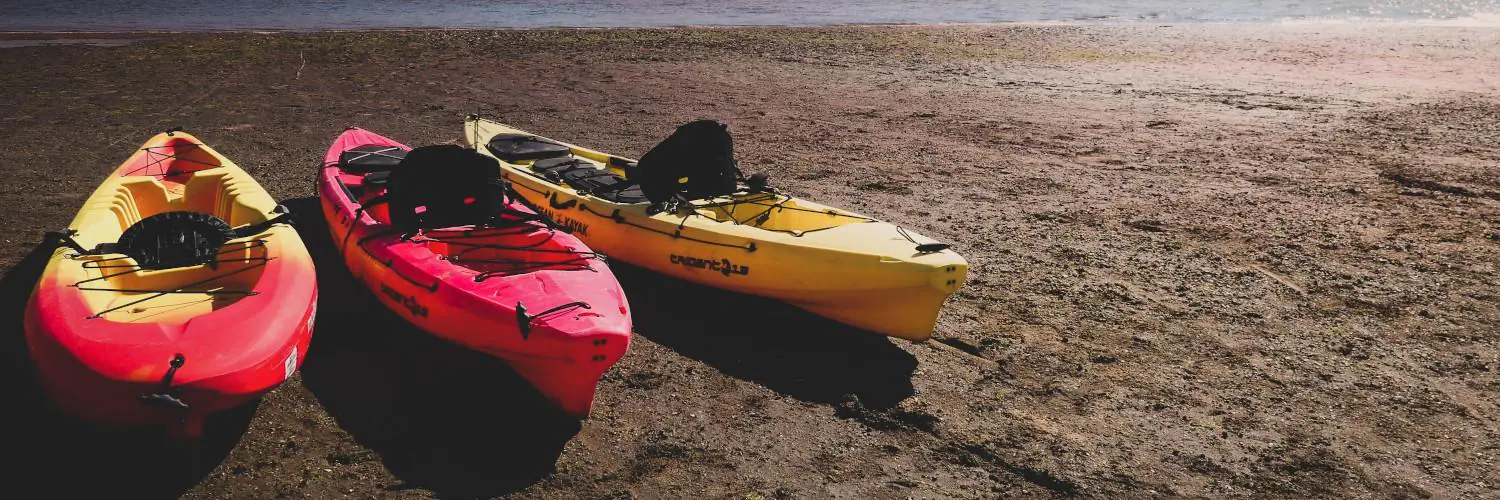
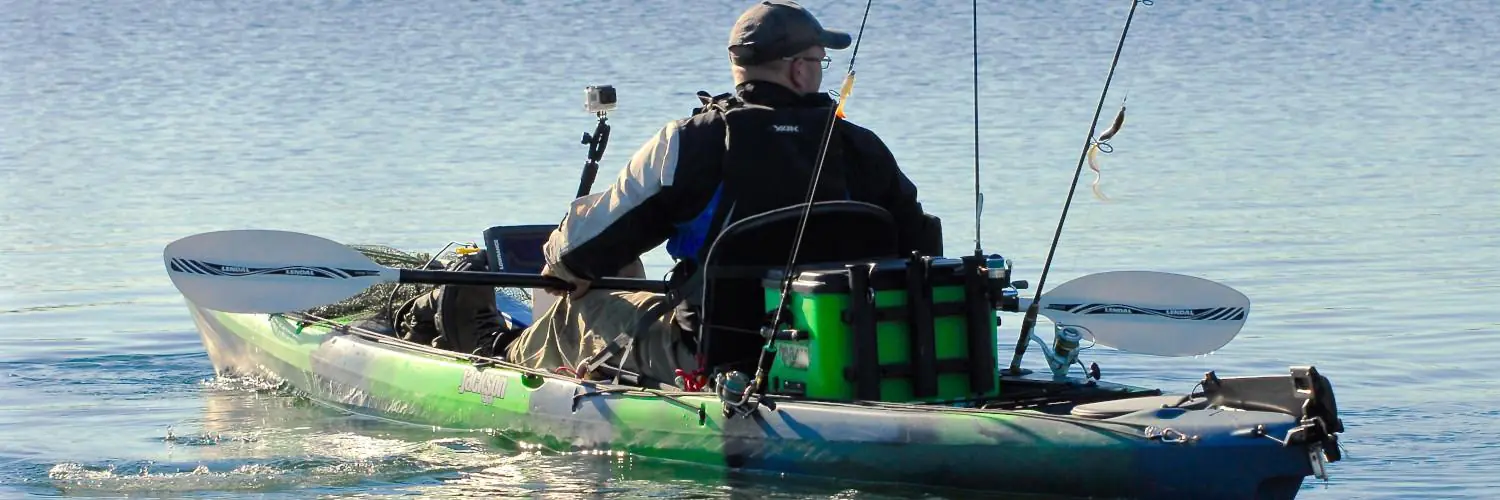
Choose a kayak made for fishing. Look for one with rod holders and storage space. Sit-on-top kayaks work well for most anglers. They’re stable and easy to get in and out of.
Pedal-powered kayaks let you move hands-free. This helps when casting or fighting fish. Some kayaks have raised seats for better visibility.
Consider the kayak’s weight capacity. It needs to hold you, your gear, and any fish you catch. Wider kayaks are more stable but harder to paddle. Narrow ones are faster but less steady.
Safety Equipment
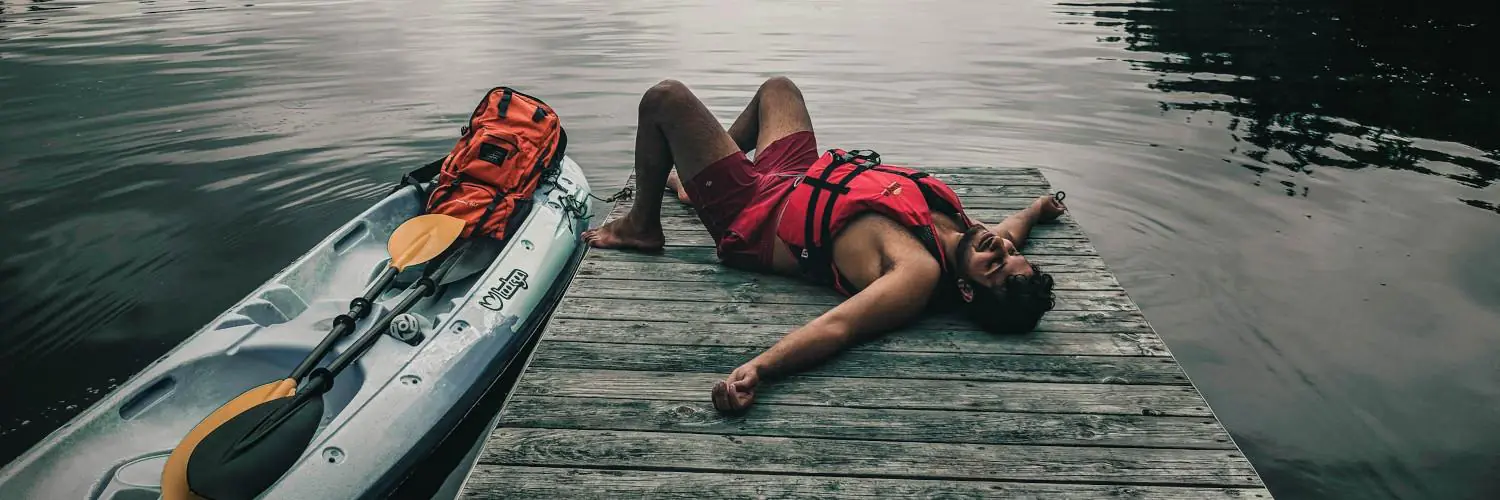
Always wear a life jacket when kayak fishing. Get one made for anglers with pockets for tools.
Bring a whistle to signal for help if needed. A waterproof flashlight is important for low light conditions.
Pack a first aid kit in a waterproof container. Include sunscreen and bug spray. Wear clothes that protect from sun and cold.
A bilge pump removes water from your kayak if it gets in. Bring a paddle leash so you don’t lose your paddle.
Rod and Reel Setups
Medium-action rods work well for most bass fishing. A 6’6″ to 7′ rod is good for kayaks. It gives you casting power without being too long.
Spinning reels are versatile and easy to use. Baitcasting reels offer more control but take practice.
Bring a mix of lures for different situations. Soft plastics, crankbaits, and topwater lures are bass favorites.
Store tackle in waterproof boxes. Keep them secure so they don’t fall out if you tip over.
Bring pliers to remove hooks. A net helps land big fish from a kayak.
Top Lures for Fall Bass Fishing
Fall bass fishing requires the right lures to match changing conditions. Certain baits excel at enticing strikes as water cools and fish become more active. Let’s explore some top lure choices for autumn bass.
Jigs and Soft Plastics
Jigs are versatile fall bass catchers. A 3/8 oz jig with a crawfish trailer mimics prey bass target. Drag it slowly along the bottom near structure. Soft plastic worms also work well. Texas-rig a 6-inch worm and fish it around wood cover.
For suspended bass, try a drop shot rig with a small plastic worm or minnow. This finesse technique shines in clear water. Experiment with colors – green pumpkin and watermelon are good starting points.
Swimbaits can trigger bites from active fish. A 4-inch paddle tail swimbait on a 1/4 oz jighead lets you cover water efficiently. Cast and retrieve steadily near points and ledges where bass chase baitfish.
Crankbaits and Jerkbaits
Crankbaits shine for locating scattered fall bass. Square bill crankbaits in shad patterns work well in 4-8 feet of water. Bounce them off cover like stumps and rocks.
For deeper fish, use lipless crankbaits. The vibration and sound attract bass from a distance. Try 1/2 oz models in chrome/blue or red.
Jerkbaits excel in cooler water. A suspending jerkbait fished with long pauses can draw strikes from lethargic bass. Stick to natural baitfish colors like silver and white.
Spinnerbaits are great search baits. Use tandem willow blades for clear water and Colorado blades in stained water. Slow-roll them near points and flats.
Topwater Lure Techniques
Topwater lures can produce exciting strikes in fall. Walking baits like Zara Spooks work well early and late in the day. Use a walk-the-dog retrieve with brief pauses.
Buzzbaits shine in low light. Cast them parallel to shorelines and reel steadily. The gurgling sound attracts bass from a distance.
Prop baits like the Whopper Plopper create commotion on the surface. They’re effective when bass are feeding on baitfish schools. Vary your retrieve speed to find what works.
On calm days, try a popper. Short, sharp rod twitches make it spit water and mimic a struggling baitfish. Pause between pops to let rings spread out on the water.
Effective Fall Fishing Techniques
Fall bass fishing from a kayak requires specific techniques to maximize success. Anglers need to adapt their approach as water temperatures drop and fish behavior changes. The key is to find active bass and present lures in ways that trigger strikes.
Covering Water Efficiently
Kayak anglers should focus on covering lots of water in fall. Start by paddling to likely bass holding areas. Use a fish finder to locate schools or baitfish. Cast search baits like crankbaits or spinnerbaits to quickly cover large areas.
Fan-cast around points, creek mouths, and other structures. Move frequently if you don’t get bites. Try different depths until you find active fish. Keep a fast pace to contact more bass.
Power-fishing with reaction baits often works best. Buzzbaits and topwater lures can draw aggressive strikes in low light. Switch to jigs or soft plastics when bass are less active.
Targeting Structures and Cover
Focus on key fall bass habitats. Look for submerged trees, rocky points, and creek channels. Bass often gather near these structures as water cools. Target areas with nearby deep water access.
Use your kayak to quietly approach shallow cover. Flip jigs or Texas-rigged plastics into thick brush. Skip lures under docks or overhanging trees.
Pay attention to current breaks and eddies. Bass wait in these spots to ambush prey. Cast upstream and let your lure drift naturally through these areas.
Reacting to Weather and Water Conditions
Fall weather can change quickly. Be ready to adjust your tactics. On sunny days, target shaded areas or deeper water. Cloudy conditions may push bass shallow.
Monitor water temperature. As it drops below 60°F, slow down your retrieves. Use more finesse techniques like drop shot rigs.
Wind can concentrate baitfish. Look for bass feeding on windblown points or shorelines. Use crankbaits or jerkbaits to mimic fleeing baitfish in these areas.
Rain often triggers feeding activity. Try topwater lures or spinnerbaits during light rain. Switch to darker colors in stained water after heavy rain.
Tips for Targeting Smallmouth and Largemouth Bass
Fall bass fishing from a kayak can be very rewarding. Smallmouth and largemouth bass have different habits, so it’s important to use the right tactics for each species.
Identifying Smallmouth Hotspots
Smallmouth bass often move to shallow flats in fall. Look for rocky areas near deep water. These spots warm up faster on sunny days.
Use lipless crankbaits to cover water quickly. Cast parallel to the shoreline and vary your retrieve speed. Pause occasionally to trigger strikes.
Swimbaits can also be effective for fall smallmouth. Choose 3-4 inch models in natural baitfish colors. Work them slowly along the bottom, especially near drop-offs.
Pay attention to water temperature. Smallmouth become less active as it drops below 50°F. Focus on the warmest parts of the day for best results.
Largemouth Bass Fishing Tactics
Largemouth bass often follow baitfish into shallow coves and creek arms in fall. Look for areas with lots of cover like fallen trees or weed edges.
Slow-rolling spinnerbaits is a great way to locate active fish. Use 1/2 ounce models with large Colorado blades for more vibration.
Soft plastic jerkbaits are another top choice. Rig them weightless and fish them with erratic twitches. Let them sink on slack line between movements.
As water cools, switch to jigs or Texas-rigged plastics. Work these lures slowly along the bottom. Target the deepest available cover in your fishing area.