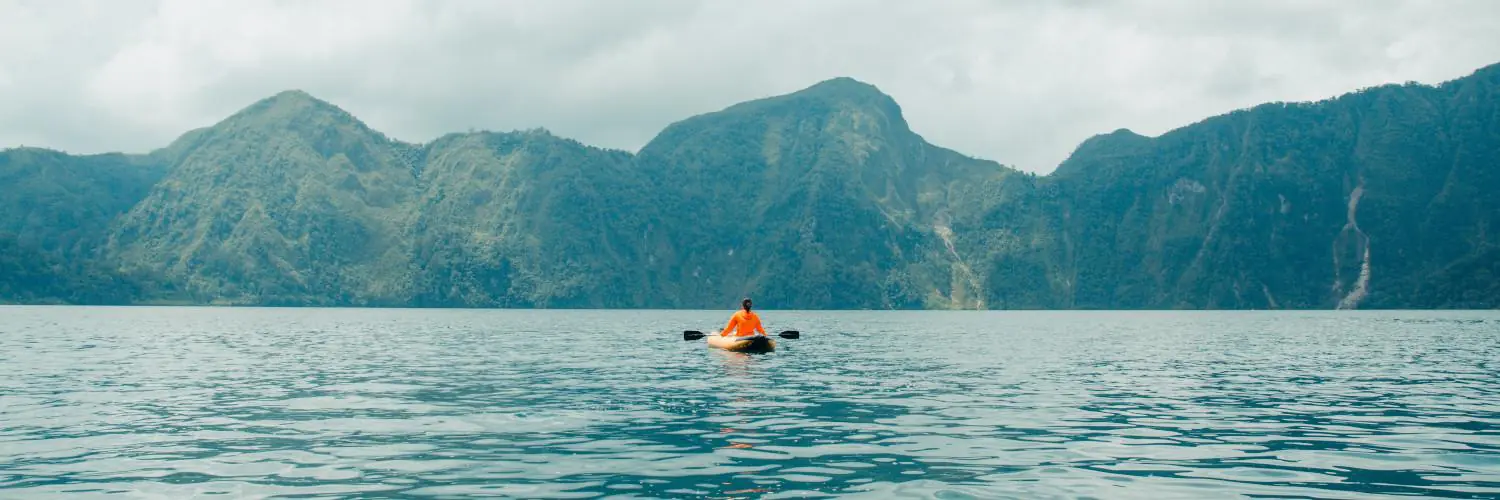
Kayaking through the fjords of Norway offers a unique perspective on some of the most breathtaking landscapes in the world. Fjords, formed by the deep carving of glaciers retreating from the earth’s surface, present a dramatic terrain of towering cliffs and serpentine waterways. The experience of paddling a kayak across these tranquil waters allows for an intimate connection with nature and an opportunity to navigate areas that are often inaccessible by larger vessels.
The Norwegian fjords, such as Sognefjorden, Hardangerfjorden, and the UNESCO-listed Geirangerfjord and Nærøyfjord, are renowned for their majestic beauty and are popular destinations for kayaking enthusiasts. These spectacular fjords are characterized by their deep blue waters, cascading waterfalls, and abundant wildlife. Paddling in a kayak, adventurers can glide silently past ancient cliffs and stop at remote beaches, often encountering a sense of peace that only such pristine natural environments can provide.
Guided tours in these regions cater to a variety of skill levels, ensuring that even those without any kayaking experience can safely enjoy the adventure. Experts guide participants through the waterways, highlighting the history and geography of the fjords while ensuring a safe and enjoyable journey. For the more experienced kayakers, there are opportunities to explore the fjords independently, experiencing the stunning Nordic scenery at their own pace.
Table of Contents
Choosing Your Kayaking Adventure
When planning a kayaking adventure in Norway, one must consider various factors such as destination, type of expedition, and season to ensure a memorable experience.
Destinations and Fjords
Norway offers an array of kayaking destinations, each boasting its own unique charm. The southwestern fjords, such as the iconic Lysefjord, present dramatic landscapes. Western Norway’s Geirangerfjord and Nærøyfjord, a slender branch of the majestic Sognefjord, are haven for paddlers looking for serene surroundings and are recognized as some of the most sought-after spots. Not to be overlooked, the Lofoten Islands and the Arctic coast provide stark beauty and the chance to paddle amidst remote, rugged coastlines.
Types of Kayaking Expeditions
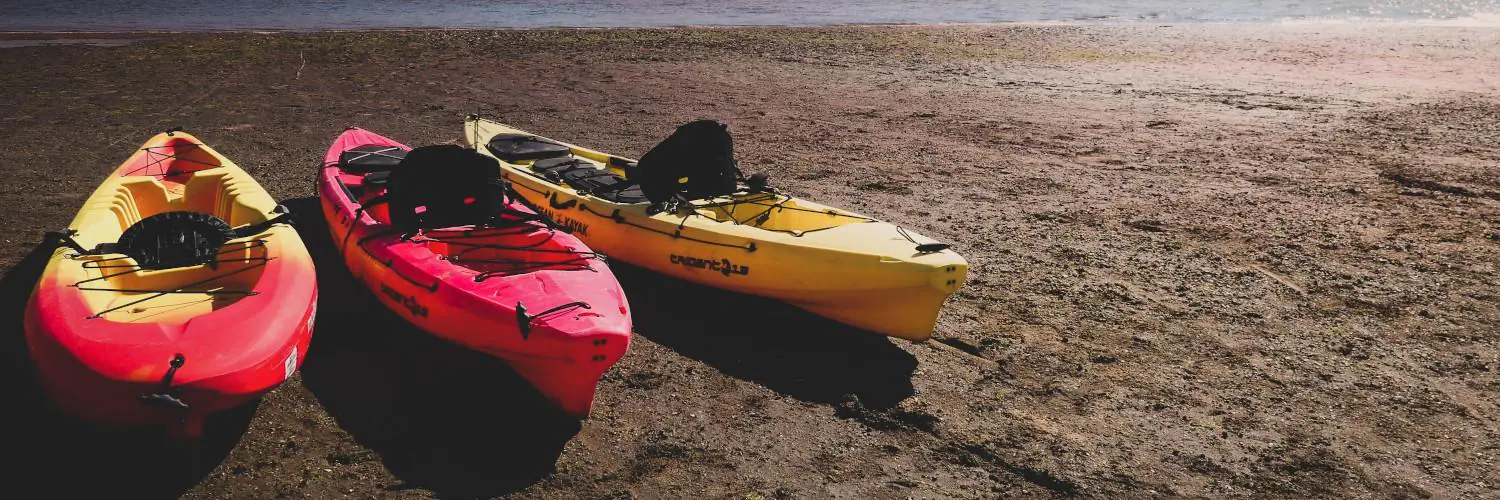
Guided Tours: For those new to kayaking or seeking local insights, a guided tour is invaluable. These tours cater to all skill levels and often include equipment rentals.
- Self-guided: More experienced kayakers may choose the freedom of a self-guided expedition, which allows for a customizable itinerary.
- Day Trips vs. Extended Journeys: Deciding the duration of your kayaking trip is crucial. Day trips can provide a snapshot of the fjords’ beauty, while extended journeys offer an in-depth exploration of the natural landscapes.
Selecting the Right Season
Choosing the correct time of year is crucial for fjord kayaking in Norway. The prime kayaking season often ranges from late spring to early autumn, with:
- Mid-May to August: Peak tourist season with milder weather, offering the best conditions for kayaking. One should always be prepared for changeable weather.
- September to October: End of the high season can promise fewer tourists and a chance to experience the fjords in solitude, but weather conditions can be more unpredictable.
In summary, tailoring a Norwegian kayaking adventure requires thoughtful consideration of the distinct destinations and fjords, the type of kayaking expedition desired, and the most suitable season for the journey.
Preparation and Safety
Proper preparation and adherence to safety guidelines are crucial for a successful and enjoyable kayaking experience in fjord regions. Kayakers must equip themselves with essential gear and wear appropriate clothing to stay safe on the water.
Essential Gear
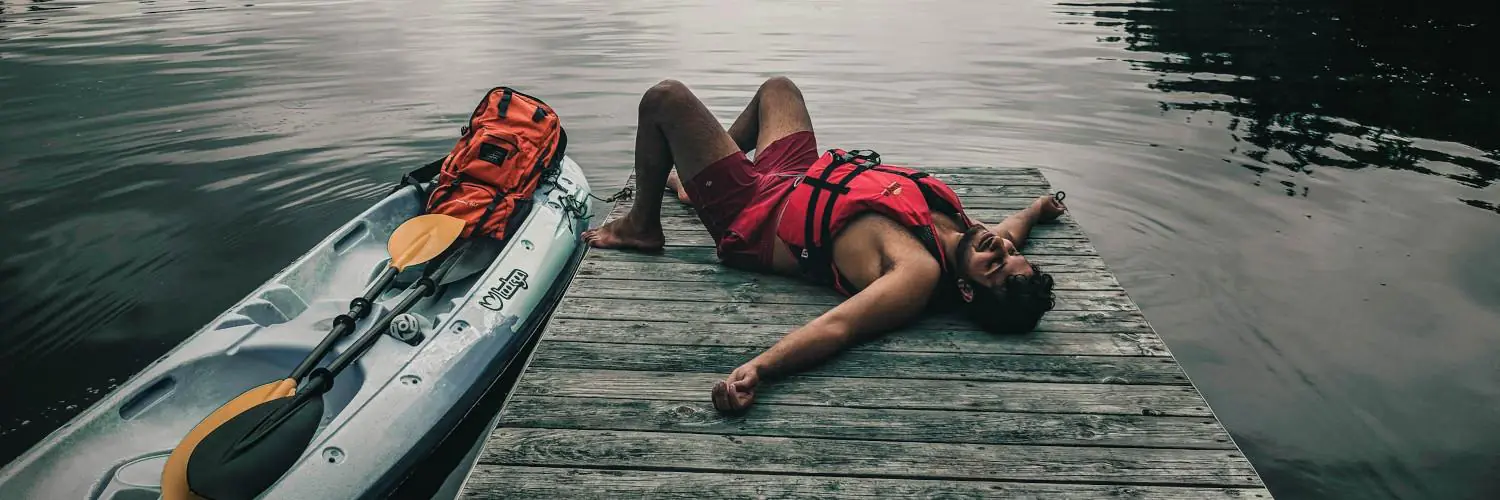
- PFD (Personal Flotation Device): A USCG-approved life jacket is mandatory for each kayaker.
- Paddle: Ensure it’s suitable for the size of the kayak and the paddler’s height.
- Dry Bag: A must for keeping personal items and emergency equipment dry.
- Water Bottle: Hydration is key, so include an accessible water bottle.
- Navigation Tools: These include maps, compass, or GPS device if venturing into remote areas.
- First Aid Kit: Pack a basic kit to handle minor injuries or ailments.
Clothing Recommendations
- Base Layer: Opt for moisture-wicking fabrics like synthetic blends or wool to keep the body dry and warm.
- Insulation: Fleece or wool sweaters/jackets provide warmth in cold conditions.
- Outer Layer: A waterproof, wind-resistant jacket and pants shield against wet weather.
- Footwear: Neoprene boots or water shoes with a grip sole offer both warmth and protection.
Safety Guidelines
- Check Weather Conditions: Stay informed on the weather forecast before and during the trip.
- Know Your Limits: Be aware of your skill level and don’t attempt waters that exceed your paddling abilities.
- Always Inform Others: Let someone know your planned route and expected return time.
- Kayak With a Guide: Especially recommended for beginners, as guides provide safety oversight and local knowledge.
- Stay Hydrated and Energized: Regularly consume water and energy-boosting snacks.
Experience and Skill Levels
Norwegian fjords offer kayaking experiences for every skill level, ensuring both beginners and experts find routes that match their abilities. Safety and enjoyment hinge on selecting an excursion fitting one’s experience, while keeping in mind factors like difficulty and any minimum age requirements.
First-Time Paddlers
For those new to kayaking, the calm waters of the fjords provide an ideal environment to learn. Beginners should seek out guided tours that can offer essential instructions and oversee safety aspects, as well as supply equipment suited for those just starting out. The minimum age for kayaking varies, but generally operators welcome paddlers from around 12 years old, accompanied by an adult. It’s essential that first-timers:
- Wear life jackets at all times.
- Learn the basic paddle strokes and how to maneuver the kayak.
- Understand basic rescue techniques in the unlikely event of a capsize.
Intermediate Challenges
Paddlers with some experience can partake in longer trips that explore more of the fjord’s majestic features. Intermediate excursions demand a reasonable level of fitness and stamina, with routes encompassing varying conditions and some open water crossings. For intermediate paddlers, the following points are important:
- Strong core and upper body strength to manage longer distances.
- Improved technique, including efficient paddle strokes and bracing skills.
- Capability to handle changing weather conditions and water currents.
Advanced Excursions
Seasoned kayakers looking for an adrenaline rush will find advanced routes in the fjords, such as those venturing near imposing cliff faces and remote areas. These require:
- Advanced paddling skills, like edging and rolling, for dealing with rough water.
- Self-rescue ability, as some areas may be isolated from immediate help.
- Preparation for endurance paddling, often over several days, which means efficient packing and camping skills.
Wildlife and Environment
The Kenai Fjords are a haven for diverse species of wildlife, particularly marine life and birds, offering a pristine example of coastal ecosystems. Environmental conservation efforts are crucial in maintaining this natural heritage.
Marine Life
The waters of the Kenai Fjords teem with marine life. Visitors frequently observe playful sea otters as they float on their backs and skillful seals navigating the icy waters. Both mammals are integral parts of the ecosystem, with the otters often seen using rocks to crack open shellfish, and the seals regularly hauling out on ice floes to rest or sun themselves.
Bird Spotting
Bird enthusiasts are rewarded here with the opportunity to spot a variety of birds in their natural habitats. Coastal areas act as critical nesting and feeding grounds for numerous bird species. Among the most commonly seen are puffins, with their colorful beaks, and bald eagles, standing as proud icons of the wilderness.
Environmental Conservation
Efforts to conserve the unique environment of the Kenai Fjords center around the protection of its wildlife and their habitats. Responsible tourism practices are encouraged to ensure minimal human impact on these ecosystems. The presence of rangers and naturalists on tours helps educate visitors on the importance of preserving this area for future generations.
Logistics and Additional Activities
When planning a kayak trip in the fjords of Norway, attention to detail in logistics and the inclusion of complementary activities enhance the overall experience. Travelers should arrange their journey to align with accommodation options, consider the necessity for adequate nutrition, and be aware of the additional land-based excursions available to enrich their adventure.
Travel and Accommodations
Travelers typically fly into major cities like Bergen before embarking on their kayak fjord adventure. Companies offering kayaking tours often provide transportation from the city to the fjord. Accommodations may range from hotels in nearby towns to camping along the shoreline, depending on the tour operator and the package selected. For instance, Nordic Ventures organizes a 5-day tour that includes sea kayaking as well as hiking in the Nærøyfjord area, with each day ending at a comfortable campsite or lodge.
- Transportation: Shuttle services from city to fjord
- Accommodations: Hotels, lodges, or campsites
Food and Hydration
During kayaking excursions, it’s crucial to stay hydrated and energized. Tour operators typically provide meals, with many offering lunch and snacks during the trip. When camping overnight, travelers might have meals prepared by a guide or have access to cooking equipment to prepare their own. It’s important to bring a refillable water bottle for freshwater sources along the route.
- Meals provided: Yes, by tour operators
- Water source: Freshwater refills available
Hiking and Other Land Adventures
The fjords offer more than just kayaking; they boast a variety of hiking trails with breathtaking views. Companies like Adventure Life incorporate hiking into their multi-day itineraries, allowing visitors to explore the rugged terrain surrounding the fjords. Popular trails offer a mix of difficulty levels, ensuring that both novice hikers and experienced trekkers find suitable options.
- Land activities: Hiking, wildlife watching
- Trail variety: Ranges from easy to challenging