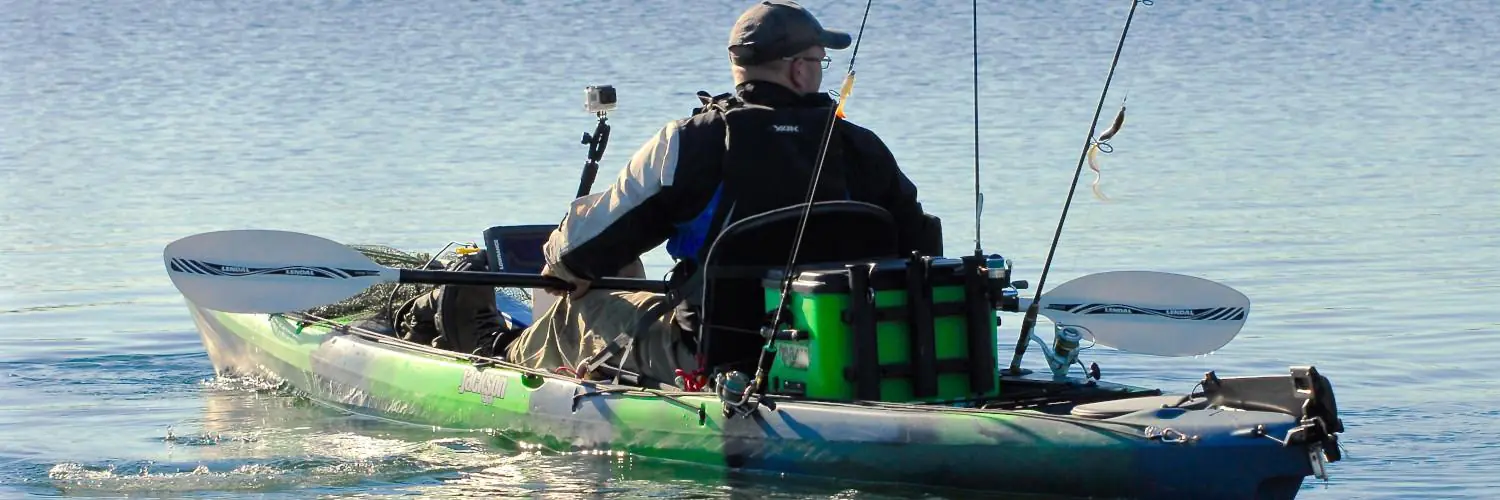
A kayak trolling motor, specifically a front mount design, offers a unique advantage for anglers and recreational paddlers looking for enhanced control and maneuverability of their vessel. With the motor positioned at the front, kayakers can effectively steer the craft while having a clear line of sight, enabling precise navigation through various waterways. The higher vantage point also assists in spotting underwater terrain and potential obstructions, allowing for a more strategic approach to paddling or fishing.
The installation of a front mount trolling motor on a kayak is an innovation that has grown in popularity due to the added power and hands-free operation it provides. This addition can significantly reduce the physical exertion required to cover long distances or battle against strong currents, wind, or waves. It can be a game-changer for those who want to save their energy for casting and reeling in fish, or simply to enjoy the scenery without the constant need to paddle.
Choosing the right kayak front mount trolling motor involves considering factors such as the weight of the motor, thrust, battery life, and ease of installation. Motors that offer variable speeds, durable construction, and compatibility with the kayak’s design ensure that kayakers have an efficient and reliable means of propulsion. These motors also often come with additional features such as GPS and autopilot functionality, further enriching the paddling experience.
Table of Contents
Selecting the Right Trolling Motor
When choosing a trolling motor for a kayak, one should consider the motor’s power for the intended use, mounting location, and the environment it will be operated in.
Power and Thrust Requirements
The specific power and thrust requirements for a trolling motor depend on the size and weight of the kayak, as well as the conditions it will be used in. A motor with a thrust rating is recommended to have at least 2 pounds of thrust for every 100 pounds of vessel weight. For kayakers, this ensures sufficient power is available for various conditions.
- Lightweight Kayak: 30-40 lbs thrust
- Heavier Kayak or Strong Currents: 50+ lbs thrust
Bow vs Stern Trolling Motors
Mounting options play a pivotal role in handling and performance. Bow-mounted trolling motors offer better control and maneuverability and are preferable for fishing scenarios. However, installation may be more complex and require a specifically designed mount.
Bow Mounting Pros:
- Better maneuverability
- Improved control
Stern Mounting Considerations:
- Easier to install
- May affect performance in strong currents
Saltwater vs Freshwater Trolling Motors
Kayakers must distinguish between saltwater and freshwater trolling motors due to their construction and corrosion resistance.
- Saltwater Trolling Motors: Made with corrosion-resistant materials such as marine-grade aluminum. These motors have seals that protect against saltwater intrusion and prevent corrosion.
- Freshwater Trolling Motors: Typically, these are less expensive, but less suited for saltwater as they lack specific protective measures against corrosion.
Note: One should ensure that a saltwater trolling motor is always chosen for marine environments to prevent rapid deterioration and potential motor failure.
Mounting Considerations for Kayaks
When selecting and installing a trolling motor mount on a kayak, it’s crucial to choose the correct mount that fits the craft and to understand the essentials of installation to ensure proper performance and safety.
Choosing the Correct Mount
The first step in equipping a kayak with a trolling motor is selecting the appropriate mount. The choice between a bow mount and a stern mount is significant, as they each offer different advantages. Bow-mounted trolling motors offer improved control and assist in maintaining stability, especially in breezy conditions. In contrast, the stern-mounted trolling motors are generally easier to install and suitable for the limitations of a kayak’s design.
The market offers specialized mounts such as the Railblaza Kayak Motor Mount for those seeking robust and versatile solutions, and the Brocraft Fishing Kayak Trolling Motor Mount for anglers looking for no-drill installation options. The compatibility of the mount with the kayak’s structure is paramount, and whether the kayak is a sit-on-top or sit-inside also dictates the type of mount needed. Moreover, the method of installation—whether to drill or utilize a no-drill mount—should be considered based on the user’s skill level and the kayak’s warranty guidelines.
Installation Essentials
Successfully installing a trolling motor on a kayak requires meticulous attention to detail. The installation process generally involves the following steps:
- Secure the Mounting Bracket: Ensure the chosen mount fits perfectly onto the kayak. Whether using a flat transom or a contoured one, the trolling motor mount should offer a snug fit. It’s critical to hand-tighten bolts equally to prevent the motor from being skewed.
- Assess the Motor’s Position: The placement of the trolling motor should not interfere with the kayak’s performance. One must ensure that, once mounted, the motor provides balanced thrust and does not cause the kayak to turn involuntarily.
- Check for Sturdiness: After installing the mount and trolling motor, one must check for any movement or instability. The mount should hold the motor firmly without any wobble, reducing the risk of detachment during operation.
- Conduct a Safety Review: Post-installation, verifying that all components are secure and the motor operates correctly is a DIY best practice. This includes checking for loose cords that could entangle or catch on debris.
By addressing these considerations, users can ensure that their kayaking experience is enhanced with the addition of a trolling motor without compromise to their safety or the kayak’s integrity.
Power Management and Battery Selection
When selecting a battery for a kayak front mount trolling motor, one must consider the balance between capacity and weight, ensuring enough energy for the journey while maintaining the kayak’s stability and efficiency.
Best Kayak Trolling Motor Batteries
The choice of the best kayak trolling motor batteries hinges on both the power requirements and the duration of your trips. A robust option is the 12-volt deep-cycle marine battery, specifically designed for sustained energy release. For example, a battery like the Optima 8016-103 D34M BlueTop offers a maintenance-free solution and provides ample power with 750 cold cranking amps.
Key Features to consider in a Battery:
- Voltage: Typically 12V for standard use
- Ampere-hour (Ah) Rating: Represents storage capacity
- Weight: Lighter batteries decrease the overall weight but may offer less energy capacity
- Lifespan: Indicates the number of charge cycles before performance drops
Popular Models:
- Optima 8016-103 D34M BlueTop: High performance, minimal maintenance.
- Newport Vessels 12V: Reliable and cost-effective choice.
Batteries should always be securely housed in a battery box for protection from water and to maintain stability.
Battery Installation and Energy Efficiency
Efficient use of a trolling motor battery not only ensures longer trips but also prolongs the battery’s life. Proper installation is key to energy efficiency. A securely mounted battery reduces energy loss and prevents damage from kayak movement. Additionally, the battery should have a proper charging regimen to maintain its peak performance.
Installation Tips:
- Ensure firm battery placement to prevent shifting.
- Use waterproof connectors to prevent short circuits.
- Keep wires tidy and secure to reduce resistance.
By adhering to these principles, one can maximize the potential of their kayak setup, resulting in a balanced distribution of energy for the trolling motor without adding unnecessary weight, and allowing for prolonged excursions on the water.
Improving Kayak Fishing With Trolling Motors
The addition of a trolling motor to a kayak significantly upgrades the fishing experience by enabling better control and precise maneuvering.
Enhancing Maneuverability and Control
Mounting a trolling motor on a kayak provides anglers with remarkable control over their vessel. The use of a trolling motor allows for:
- Smooth Navigation: Navigate through tight spots with ease, a feature particularly handy when fishing in areas cluttered with obstacles like submerged logs or dense lily pads.
- Hands-Free Operation: Allows anglers to focus on fishing without the need to paddle, enhancing the effectiveness of their angling.
- Stable Positioning: Maintain a fixed position against currents or winds, crucial for precise lure presentation.
- Precise Speed Adjustments: Throttle control offers variable speeds, essential for adjusting the approach to the targeted fish’s behavior.
By incorporating a trolling motor to their kayak, fishermen can approach their targets stealthily, maintaining the silence needed to not startle the fish. Additionally, the motorized enhancement frees their hands, thus improving their capability to handle fishing gear and react promptly when a catch is on the line.
Trolling Motor Maintenance and Safety
Maintaining a trolling motor ensures both safety and durability, while proper safety precautions can guard against unforeseen incidents on the water. Attention to maintenance can protect against the challenges of water conditions and wind.
Routine Care for Longevity
Regular maintenance prolongs the life of a kayak’s trolling motor and ensures it remains reliable. Users should perform these checks and tasks regularly:
- Visual inspection: Before and after each use, check for any signs of wear or damage, especially on the propeller and the shaft.
- Cleaning: Freshwater rinse after each use to prevent corrosion and remove any debris from the motor.
- Lubrication: Apply marine-grade lubricant to moving parts periodically to ensure smooth operation.
- Battery care: Regularly charge the battery and store it in a cool, dry place to avoid degradation.
Safety Precautions on the Water
When on the water, one’s safety is paramount. By following these guidelines, one can enjoy a safe kayaking experience:
- Secure mounting: Ensure the trolling motor is securely mounted, as an improperly attached motor can cause instability in varying water conditions and wind.
- Weather awareness: Stay informed about weather forecasts, and avoid using the trolling motor in conditions it’s not rated for.
- Emergency cut-off: A safety lanyard or kill-switch should be attached to the kayaker’s person to immediately stop the motor if they fall overboard.
- Life jackets: Always wear an appropriate life jacket while operating the kayak, as it significantly increases chances of survival in the case of capsizing.