Getting started with kayaking is easier when you know what basic equipment you need. Every kayaker needs a sturdy kayak, a properly fitting paddle, and a personal flotation device (PFD) for safety on the water. These items form the core gear for both beginners and experienced paddlers.
Clothing also plays an important role, depending on the air and water temperatures. Quick-drying clothes, water shoes, and weather-appropriate gear help keep kayakers comfortable and safe during their trip.
Other essentials can include a whistle, dry bag, and sun protection like a hat and sunscreen. Knowing what to bring can make kayaking a safer and more enjoyable adventure for everyone.
Table of Contents
Essential Kayaking Equipment
Every kayaker needs the right gear to stay safe and comfortable. The key items include the right type of kayak, a good paddle, a reliable personal flotation device, and basic safety equipment.
Kayak and Types
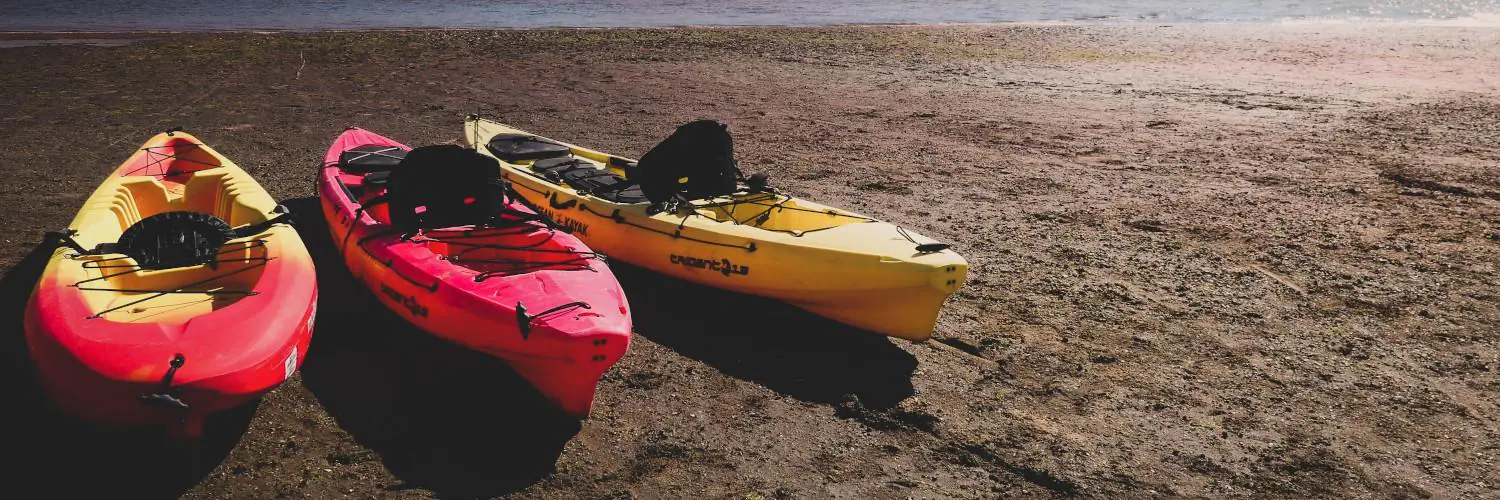
The kayak is the most important item. There are several main types to choose from, each suited for different needs.
Sit-on-top kayaks are easy to use and great for beginners. They are stable and simple to get in and out of, especially if someone tips over.
Sit-inside kayaks offer more protection from the elements. These are common for cooler water and provide more storage space inside.
Recreational kayaks are designed for calm waters. They are usually short, stable, and easy to maneuver.
Touring kayaks are longer and made for longer trips on open water. They track straight and often have extra storage.
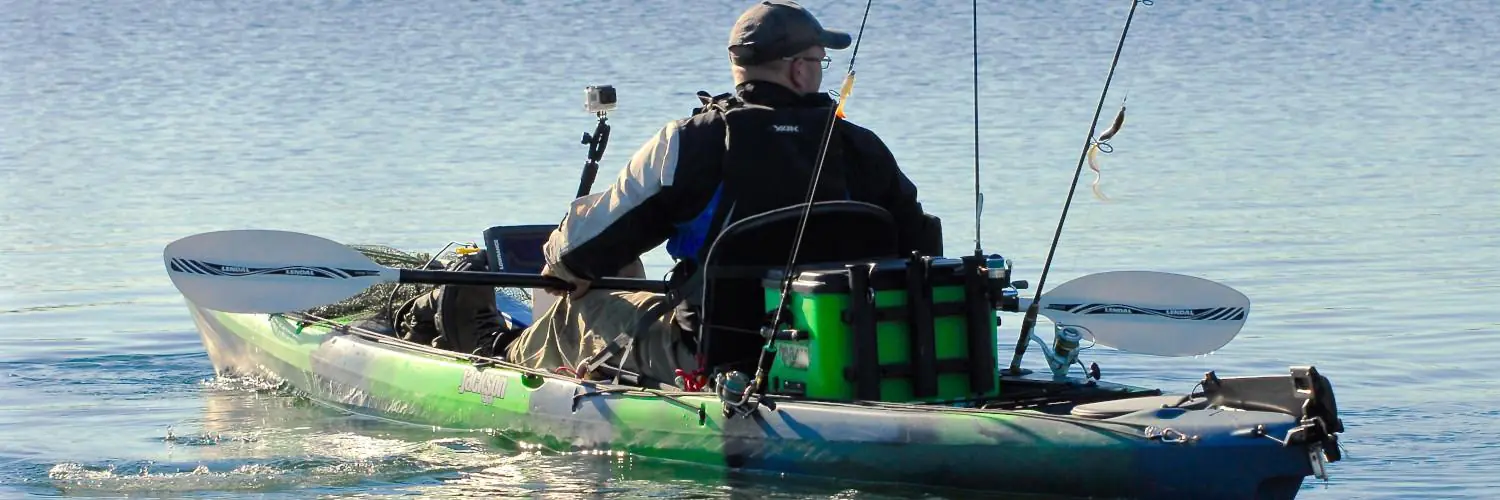
Fishing kayaks are built for anglers. They are wider for better balance and may include rod holders and storage for tackle trays.
Sea kayaks are slim and long, suited for rough water and longer journeys.
Tandem kayaks allow two paddlers to kayak together. They are a good choice for families or teamwork.
When choosing a kayak, it’s important to think about the water, how much gear is needed, and how many people will paddle.
Paddle Selection
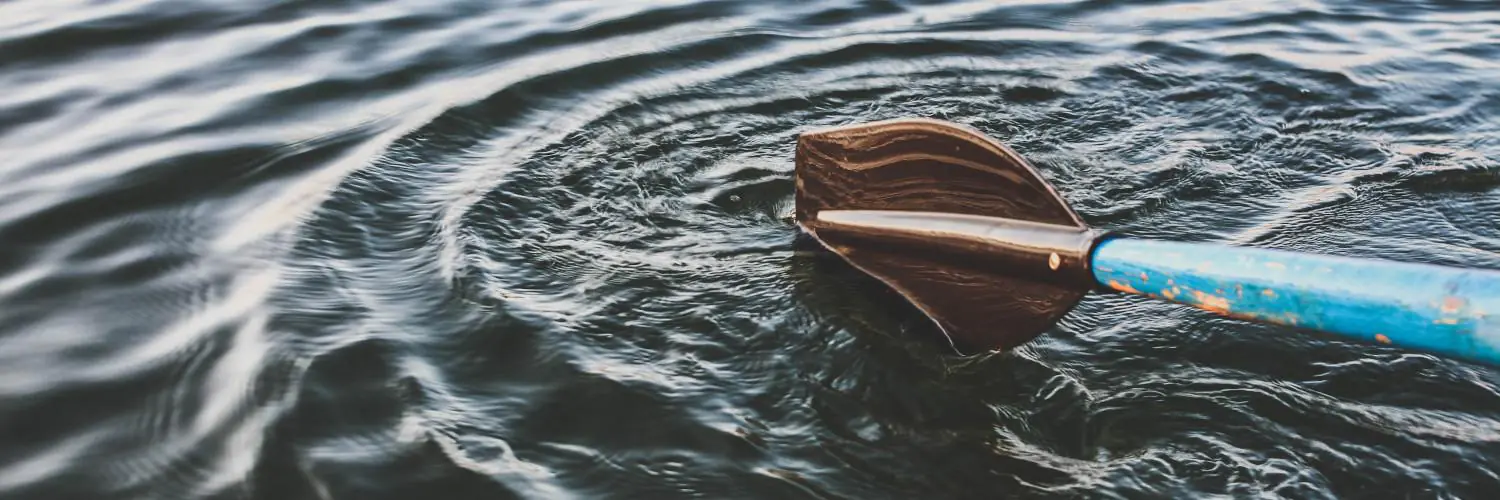
A kayak paddle is more than just a stick with blades. Choosing the right paddle helps make kayaking easier and more comfortable.
Paddle length should match the paddler’s height and the width of the kayak. Longer kayaks or taller people usually need longer paddles.
There are two main blade shapes:
- Asymmetrical blades are angled and make paddling smoother.
- Symmetrical blades work on both sides and are better for beginners.
Paddling gloves can help prevent blisters and improve grip, especially on longer trips.
Many kayakers use a paddle leash to prevent losing their paddle if it slips out of their hands.
Weight matters too. Lighter paddles, such as those made from carbon fiber, cause less fatigue.
Kayak paddles come apart for easy storage and transport. Some have adjustable lengths or blade angles.
Personal Flotation Devices
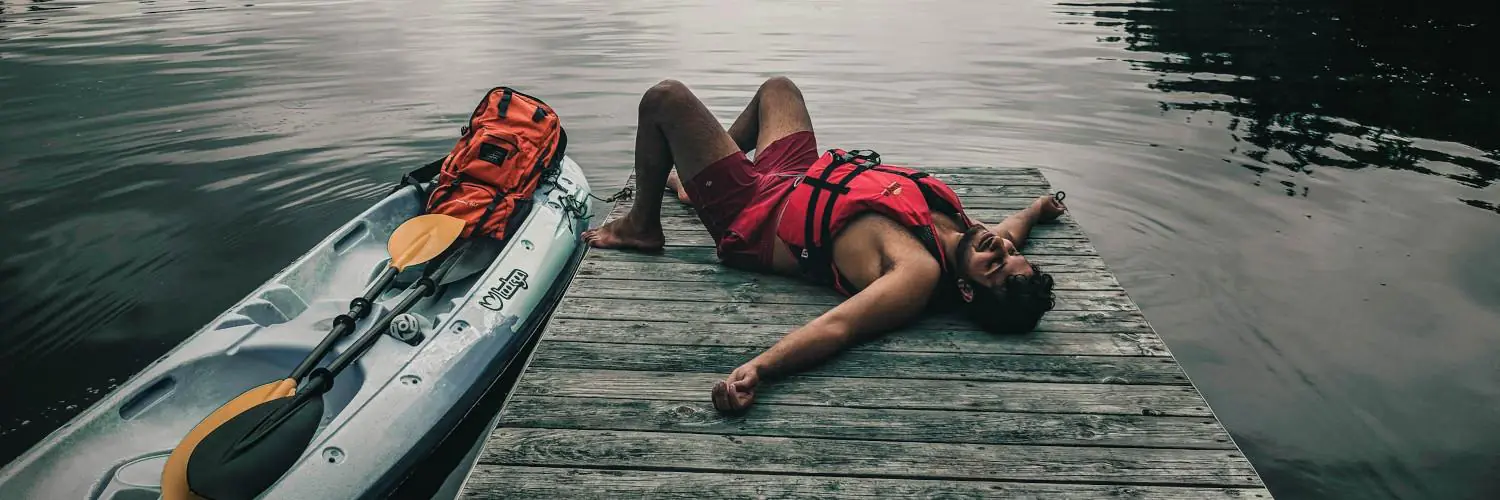
A personal flotation device (PFD) is required in most places. PFDs keep kayakers safe if they fall in the water.
There are different types.
- Standard life jackets are bulky but provide strong flotation.
- Inflatable PFDs are lighter and less restrictive, but need to be activated if someone falls in.
The right PFD should fit snugly. It should not ride up when sitting or paddling. Many kayak-specific life vests have cut-outs for arms and pockets for small gear.
Kids and adults should always wear a PFD, even if they are good swimmers. Most fishing kayaks come with specially designed PFDs with extra storage for tools and equipment.
PFDs must be kept in good shape and checked for wear before each trip.
Safety Gear Overview
Safety is a priority when kayaking. Bringing the right equipment can help in many situations.
Basic kayaking gear includes a whistle or sound device to signal for help and a bilge pump or sponge to remove water from the boat.
A throw rope or tow line is useful for rescues.
A dry bag keeps items like phones, snacks, and first aid kits safe from water.
Lights or reflective gear help others see the kayak in low light.
A first aid kit should always be on board for small injuries.
For longer or more remote trips, carrying a marine radio or cell phone in a waterproof case is smart.
Lastly, checking local rules before paddling ensures the correct safety equipment is on board.
Personal Protective Clothing and Accessories
Kayakers need the right clothing and gear to stay safe, dry, and comfortable in different weather and water conditions. Protective equipment not only shields from cold water and rain, but also helps prevent sunburn and injuries.
Appropriate Clothing for Conditions
Dressing for the water temperature is more important than the air temperature. For cold water, a wetsuit or dry suit is recommended. A wetsuit is made of neoprene and keeps the body warm even when wet. A dry suit keeps water out entirely and is often worn with long underwear or layers of dry clothes underneath.
In mild or warm conditions, quick-drying swimwear and a lightweight spray jacket help prevent getting cold from splashes or wind. A spray jacket acts as a windbreaker and keeps the upper body dry. Avoid cotton clothing as it holds water and can lead to chills.
Layering is key. Wear moisture-wicking base layers and add or remove layers as the weather changes. Secure all clothing and accessories so nothing gets lost in the water.
Footwear and Gloves
Foot protection is important on rough or rocky shorelines. Water shoes or neoprene footwear offer grip and protect feet from sharp objects. Avoid flip-flops, as they easily slip off or get stuck.
Some kayakers use sandals designed for water sports. However, these should have secure straps to stay on in the water. If it’s cold, neoprene booties provide insulation and keep feet warmer than bare skin.
Gloves are recommended in cold conditions or for long trips. Neoprene gloves keep hands warm, and padding helps prevent blisters from long periods of paddling. Choose gloves that still allow enough movement to grip the paddle firmly and safely.
Sun Protection
Sun exposure can be intense on the water, even on cool or cloudy days. A wide-brim hat or cap protects the head, face, and neck. Sunglasses with UV protection and a strap help block glare off the water, improving vision and comfort.
High-SPF sunscreen should be applied to all skin areas, especially face, neck, arms, and legs. Choose a water-resistant variety and reapply every two hours or after swimming. Lip balm with sunscreen helps prevent dry, cracked lips.
Wearing lightweight, long-sleeved shirts and pants made of sun-protective fabric offers extra coverage. A simple checklist:
- Wide-brim hat or cap
- UV sunglasses with strap
- Sunscreen (SPF 30+) and lip balm
- Long-sleeved UV shirt
These basics can help prevent sunburn and heat-related issues throughout the day.
Safety and Emergency Equipment
Kayak safety depends on having the right tools and knowing how to use them. Proper gear can make a real difference in emergencies, protecting paddlers and making rescue easier.
Rescue and Survival Tools
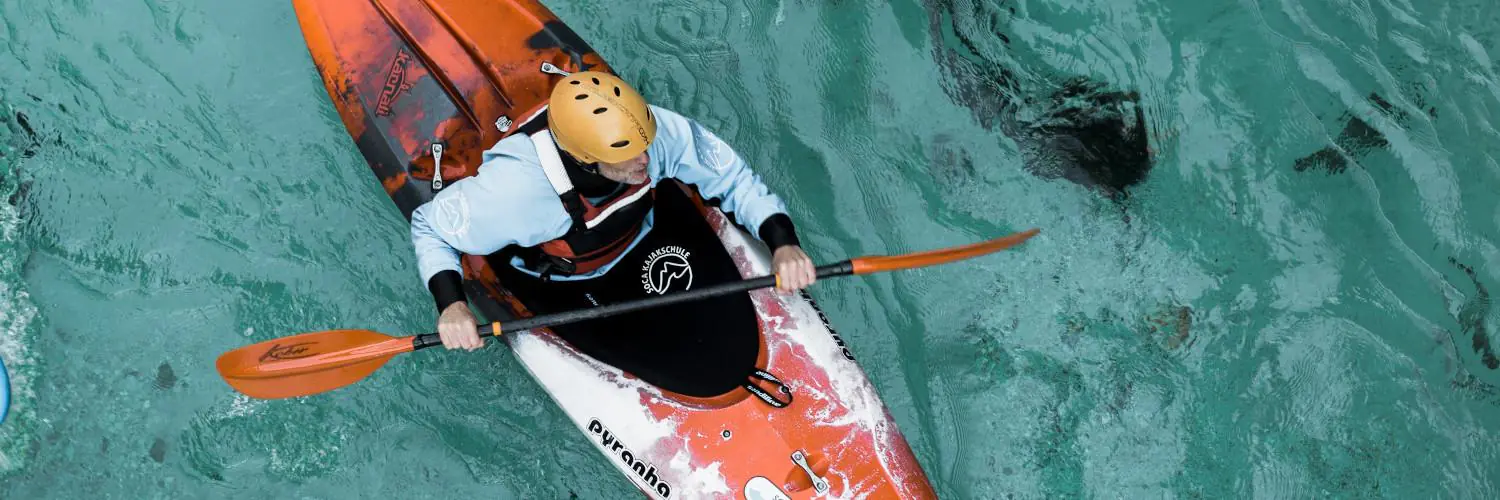
Kayakers should always wear a Coast Guard-approved life jacket or personal flotation device (PFD). This is the most important piece of kayak safety gear and must fit well. Helmets are also essential when paddling in rocky areas or rapids to protect the head from injury.
For rescue situations, a throw bag with a rope can help save someone who has fallen out of their kayak. A towline lets a kayaker pull another boat if someone gets tired or injured. Carrying both tools is smart, especially on group trips.
A paddle float can help with re-entry if the kayak flips. In cold weather, extra layers in a dry bag help prevent hypothermia. Even a small repair kit with duct tape and multi-tool is useful if gear breaks during a trip.
First Aid and Health Essentials
A waterproof first-aid kit should have bandages, antiseptic wipes, and pain medication. This supports quick treatment for minor cuts, scrapes, or blisters. Including a roll of medical tape and scissors helps manage larger wounds.
Hand sanitizer and sanitary wipes are important for keeping hands clean before eating or treating wounds. This reduces the risk of infection. Sunscreen and insect repellent also add protection from the elements and bugs.
Anyone with allergies should bring an epinephrine injector if needed. Medications for personal use—like inhalers or insulin—should stay dry in a sealed case. It’s wise to review first-aid skills and tailor the kit for each trip.
Signaling and Communication Devices
A signaling whistle is required by boating laws in many places. It offers a reliable way to call for help, even if voices can’t carry across windy water. Attaching it to a life jacket keeps it within reach.
Emergency flares and strobe lights help rescuers spot a kayak in low visibility or after dark. Flares work for both day and night; strobe lights attach to life jackets or kayaks and blink brightly. Some paddlers also carry waterproof flashlights for extra safety.
A two-way radio is useful for group trips or remote locations. Radios allow direct conversation with teammates and some emergency services. For longer trips, a cell phone in a waterproof case is a good backup, but coverage can be unreliable away from shore.
Paddling Accessories and Storage Solutions
Kayakers rely on specific gear to keep essentials safe and organized on the water. Having the right accessories and storage solutions helps protect items from getting wet and keeps equipment secure during paddling trips.
Dry Bags and Waterproof Cases
Dry bags are made from tough, waterproof materials and have roll-top closures. They are used to store clothing, food, cameras, and phones so that water cannot get inside. Sizes and shapes vary, so paddlers choose bags based on what they need to carry.
A waterproof case, usually made for electronics like phones and GPS devices, adds extra protection. These cases are often clear and allow screen use while sealed. Float bags can also be placed in kayak compartments to keep the boat buoyant if water gets inside.
Many paddlers also rely on a spray skirt. This accessory fits tightly around the cockpit and the paddler’s waist to keep water out, especially in rough or cold conditions.
Onboard Storage and Securing Gear
Kayaks have limited space, so storage and securing systems are important. Built-in hatches and deck bungee cords let paddlers organize gear like dry bags, paddles, and safety equipment for quick access.
Many paddlers use bungee cords to secure items on deck, keeping them safe from getting lost overboard. A paddle float is attached to a spare paddle and used for self-rescue in case of a capsize.
For carrying extra items, bags and containers fit specific kayak spaces. A comfortable kayak seat with storage pouches can add convenience. Off the water, using a kayak cart and a roof rack helps safely transport the kayak and gear to and from the water.
Trip Preparation and Comfort
Packing for a kayaking trip means more than just bringing a paddle and life jacket. Careful planning for food, personal items, sleeping setups, navigation tools, and repair supplies will help keep the adventure safe and comfortable.
Food, Water, and Personal Items
Bringing enough food and water is essential for a kayaking adventure. Paddlers should pack lightweight snacks like trail mix, energy bars, or dried fruit, as these fit easily in dry bags and provide quick energy. A sturdy, reusable water bottle or hydration system should be within reach to prevent dehydration.
Store food in waterproof containers to protect it from splashes. Packing a small bag for trash will help leave no trace behind. Include personal items such as sunscreen, lip balm, bug spray, and a basic first-aid kit. Bring any needed medications in labeled, waterproof containers.
A dry change of clothes, a small towel, and sunglasses can help increase comfort during longer outings. For those expecting bright or cold weather, a hat and layerable clothing are important. Choose personal care items that are easy to pack and use, without adding weight.
Camping Gear for Multi-Day Trips
Those planning overnight paddling adventures need camping gear that is both compact and weather-resistant. A lightweight tent or a simple tarp can provide shelter from rain and wind. Choose a sleeping bag rated for the expected overnight temperatures and a sleeping pad for added comfort.
Packing a portable stove or compact cooking system allows for simple meal preparation. Remember utensils, fuel, and a lighter or waterproof matches in a secure container. Food storage should be animal-proof, especially in wilderness areas.
Dry bags are a must for storing clothes and gear to keep them dry. A headlamp or flashlight, with extra batteries, helps with nighttime chores. If space allows, consider bringing a packable chair or mat for sitting around camp. Select items that fit the kayak’s storage compartments or lash securely to the deck.
Navigation and Route Planning
Navigating safely on water requires proper planning and tools. Study maps of the area before departure and determine key points along the route, including rest spots and takeout locations. Carry a printed map in a waterproof case for reference during the trip.
A GPS unit provides accurate location data, while a compass helps maintain direction if electronics fail. Mark hazardous spots like rocks, rapids, or shallow areas on your route plan, and check local weather forecasts before leaving. Tides, winds, and river currents can affect travel time and safety.
Bring along a whistle or other communication device in case of emergencies. Paddlers in remote areas may want a VHF radio or satellite messenger. Take notes on special rules, permits, or regulations for the area to make sure the trip follows all guidelines.
Repair and Maintenance Tools
A basic repair kit should be part of any kayaking trip, even for short outings. This kit should include a multi-tool or small set of waterproof tools to tighten bolts or make simple adjustments. Duct tape and waterproof sealant can quickly patch cracks or leaks in a kayak.
Carry spare parts specific to the kayak, such as extra nuts, bolts, or replacement rudder cables. For inflatable kayaks, include patches and adhesive designed for the material. Store all repair items in a small, durable container that fits inside a hatch or dry bag.
Check equipment before launching to catch any issues early. Simple regular maintenance, like checking seals and tightening loose fittings, can prevent problems from becoming emergencies on the water. Planning ahead keeps a kayaking trip safe and enjoyable.