Kayaking rapids offers both challenge and reward, combining the power of moving water with the skill of precise control. It is not only about paddling hard but also about understanding how rivers work and how to move safely through them. Kayaking rapids means learning to read the water, choose the right line, and use technique to stay in control.
Rapids come in different classes, from gentle waves that build confidence to steep drops that demand advanced skill. Knowing how to recognize features like downstream Vs, eddies, and horizon lines helps paddlers make smart decisions before committing to a run. Each rapid requires a balance of preparation, awareness, and quick action.
With the right skills, equipment, and respect for safety, anyone can progress from calm currents to more dynamic whitewater. Along the way, the sport offers not only adventure but also a deeper connection to rivers and the outdoors.
Table of Contents
Understanding Rapids for Kayaking
Rapids form when moving water flows over uneven terrain, creating turbulence, waves, and obstacles. Paddlers need to recognize how these features affect control, safety, and technique to move through them effectively.
Classification of Rapids
The International Scale of River Difficulty rates rapids from Class I (easy) to Class VI (extreme). This scale helps paddlers choose rivers that match their skills and experience.
| Class | Description | Skill Level |
|---|---|---|
| I | Gentle flow with small waves | Beginner |
| II | Clear channels, mild obstacles | Novice |
| III | Moderate waves, precise control needed | Intermediate |
| IV | Strong currents, technical moves | Advanced |
| V | Powerful, complex features | Expert |
| VI | Nearly unrunnable | Extreme |
Each class increases in difficulty, requiring stronger paddling skills and better rescue knowledge. Conditions such as water level and seasonal flow can shift a rapid’s classification.
Key Features of Rapids
Rapids contain several distinct elements that influence how a kayak moves. Eddies form behind rocks or along riverbanks where water flows upstream, offering safe resting spots. Waves and holes result from water dropping over obstacles; a large hole can trap a kayak if entered incorrectly.
Other features include tongues, which are smooth V-shaped flows leading into rapids, and hydraulics, which create circulating water patterns. Recognizing these features helps paddlers plan routes, maintain balance, and avoid hazards.
Good technique involves reading water movement, identifying exit points, and using controlled strokes to stay on line.
Differences Between Flat Water and Rapids
Flat water offers steady, predictable flow with minimal obstacles. Kayakers focus on endurance, straight tracking, and efficient paddling. In contrast, rapids demand quick reactions, directional control, and awareness of constantly changing water dynamics.
In rapids, paddlers must adjust body position and use edging to stay stable. The current pushes and pulls from multiple directions, requiring stronger bracing and steering strokes.
Rescue and safety practices also differ. Flat water allows easy recovery, while rapids often need group coordination and throw ropes for assistance. Understanding these contrasts helps paddlers transition safely from calm lakes to moving whitewater.
Essential Skills for Navigating Rapids
Kayakers rely on observation, technique, and timing to move safely through rough water. Success depends on reading the river’s flow, using efficient paddle strokes, and controlling the kayak’s position when entering or leaving an eddy. Each skill helps maintain stability and direction in fast-moving currents.
Reading Water Patterns
Understanding how water moves allows kayakers to plan their route before entering a rapid. They watch for features such as waves, holes, rocks, and the main current, often called the tongue. The tongue usually forms a smooth “V” shape that points downstream and offers the safest path.
They avoid hydraulics, where water circulates backward behind obstacles. These spots can trap a kayak and make escape difficult. Calm areas behind rocks, known as eddies, give paddlers a place to rest or plan their next move.
A quick visual checklist helps:
| Feature | What It Means | Action |
|---|---|---|
| Tongue | Main current | Follow it |
| Hydraulic | Reversing water | Avoid |
| Eddy | Calm zone | Use for rest or control |
By reading these signs, kayakers can anticipate hazards and choose the most stable line through the rapids.
Paddling Techniques for Rapids
Strong paddling technique gives kayakers control in turbulent water. The forward stroke powers movement, while the sweep stroke helps steer around obstacles. A draw stroke moves the kayak sideways, useful for adjusting position near rocks or eddies.
Kayakers keep their upper body relaxed and their eyes forward. They use their core muscles more than their arms to maintain endurance. Short, controlled strokes work better than long, forceful ones in fast water.
When facing waves or drops, they lean slightly forward and keep their paddle ready for quick adjustments. Practicing these strokes in calm water builds consistency before entering stronger currents.
Eddy Turns and Maneuvers
Entering and exiting an eddy requires precise timing. To enter, the kayaker paddles toward the eddy at a shallow angle, then leans downstream as the kayak crosses the eddy line. This prevents capsizing and helps the boat pivot smoothly.
To exit, they angle the kayak toward the main current and apply a strong forward stroke. Leaning slightly downstream again keeps balance as the current catches the hull.
These maneuvers help kayakers pause between rapids, plan their route, and maintain control. Mastering eddy turns also improves rescue positioning and overall river navigation efficiency.
Safety and Risk Management in Rapids
Kayakers reduce risk by studying the river, preparing for rescue, and understanding hazards that can trap or overturn a boat. Safe paddling depends on good judgment, teamwork, and knowing when to stop and carry around dangerous features.
Scouting and Decision Making
Before entering a rapid, kayakers often scout from shore to see the best route and identify hazards like large holes, rocks, or strainers. Scouting helps them judge the water’s flow, speed, and gradient before committing.
They may mark key points such as entry lines, eddies, and exit zones. These markers guide where to paddle or stop. Experienced paddlers also discuss backup plans if someone flips or misses a move.
Good decision making means knowing personal limits. If a rapid looks beyond one’s skill level, the group should choose a safer route or portage. Conditions can change quickly after rain or dam releases, so checking water levels and recent reports is part of responsible planning.
Portaging and Rescue Strategies
When a rapid is too dangerous to run, kayakers portage, or carry their boats around it. This option prevents accidents in extreme sections such as Class V or VI rapids. It also allows paddlers to study the feature more closely before re-entering the river.
Rescue strategies focus on team coordination and swiftwater rescue skills. Each paddler should know how to use a throw bag, perform live bait rescues, and manage boat extractions. These methods help retrieve swimmers and gear without adding risk to rescuers.
A simple safety setup might include:
| Equipment | Purpose |
|---|---|
| Throw bag | Pull a swimmer to shore |
| Rescue PFD | Provides flotation and harness for rescues |
| Knife | Cuts tangled ropes or gear |
| Whistle | Signals others during emergencies |
Regular practice in controlled settings builds confidence and reduces panic during real incidents.
Common Hazards in Rapids
Rapids contain natural and man-made hazards that can trap or injure paddlers. Hydraulics, or holes, can hold a kayak underwater. Strainers, like fallen trees, allow water to pass but stop solid objects. Undercut rocks and foot entrapments are also serious dangers.
Kayakers should always wear a helmet and personal flotation device (PFD). They must keep feet up when swimming through whitewater to avoid getting stuck between rocks.
Cold water, fatigue, and poor communication increase risk. Clear signals and watching teammates closely help prevent small problems from turning into emergencies. Awareness and preparation keep the adventure safe and manageable.
Equipment and Preparation for Kayaking Rapids
Proper equipment and planning help paddlers stay safe and in control when facing fast-moving water. Selecting the right kayak, using dependable gear, and wearing protective equipment reduce risks and improve performance on the river.
Choosing the Right Kayak
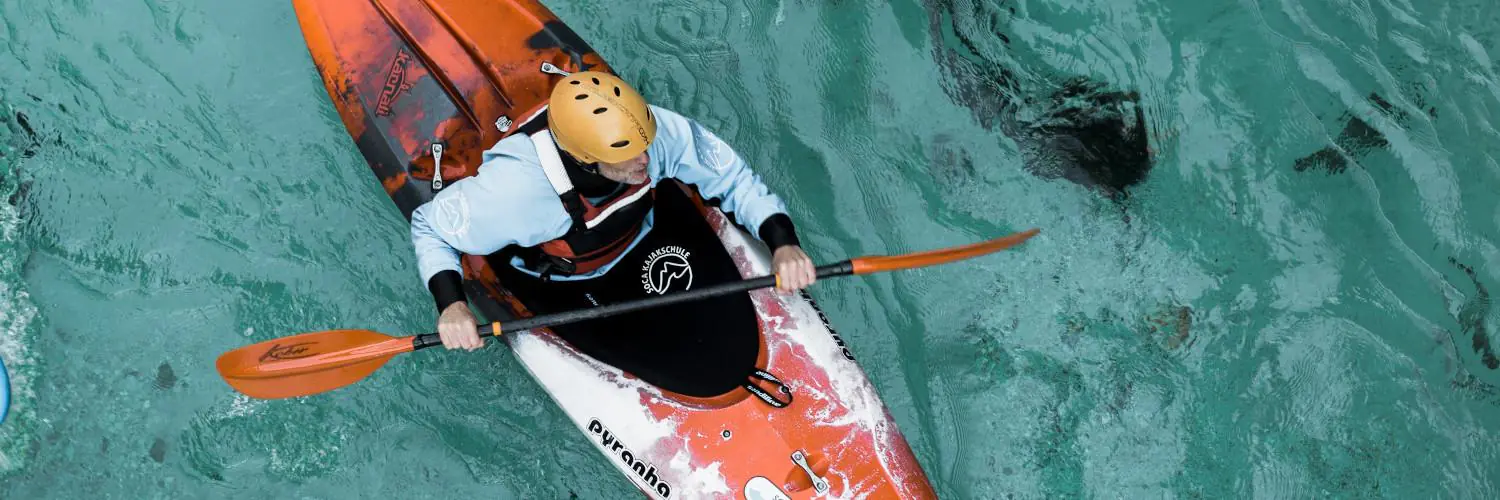
The kayak’s design determines how it handles rapids. Whitewater kayaks are shorter and more maneuverable than touring or recreational models. Their curved hulls and reinforced materials allow them to bounce off rocks and resurface quickly after drops.
Common types include:
| Type | Description | Best For |
|---|---|---|
| Playboat | Short, flat-bottomed, agile | Tricks and small waves |
| River Runner | Balanced speed and control | Mixed rapid classes |
| Creek Boat | Longer, high-volume hull | Steep, technical rapids |
Paddlers should test different models to find one that fits their size and skill level. A snug cockpit improves stability and control, while adjustable foot braces and thigh pads help maintain balance during sharp turns or sudden impacts.
Essential Gear for Rapids
Reliable gear supports both safety and comfort. A durable paddle with a fiberglass or carbon shaft provides strength without adding unnecessary weight. Blades should be slightly curved for quick strokes and precise steering in turbulent water.
Clothing depends on water temperature. In cold rivers, a drysuit keeps the body dry, while a wetsuit offers thermal insulation by trapping a thin layer of water. Layering moisture-wicking fabrics underneath improves warmth and comfort.
Other useful items include:
- Helmet for head protection
- Spray skirt to keep water out of the cockpit
- Neoprene footwear for traction on slippery rocks
- Dry bags to protect personal items
Each piece of gear should be checked for wear before every trip.
Personal Flotation Devices and Safety Equipment
A personal flotation device (PFD) is essential for floating safely if a paddler capsizes. Whitewater PFDs differ from standard life jackets; they allow free arm movement and provide extra buoyancy in rough water.
A proper fit keeps the vest from riding up when floating. Adjustable straps and a snug chest fit help maintain comfort during long sessions. Many PFDs also include pockets for a whistle or small rescue tools.
Additional safety items include:
- Throw rope for rescues
- Knife for cutting tangled lines
- First-aid kit stored in a dry bag
- Helmet certified for water sports
Carrying and regularly inspecting this equipment ensures paddlers are prepared for emergencies in unpredictable river conditions.
Popular Destinations and Types of Rapid Adventures
Kayakers and rafters travel worldwide to find rivers that match their skill level and sense of adventure. From calm Class II runs to powerful Class V rapids, each destination offers a distinct mix of challenge, scenery, and local culture.
Notable Rivers for Kayaking Rapids
Some rivers have become famous for their consistent flow and technical challenges. The Futaleufú River in Chile draws experienced kayakers with its steep Class V rapids and turquoise water cutting through mountain canyons. In Zambia, the Zambezi River features large-volume waves like Ghostrider and Stairway to Heaven, known for their power and precision requirements.
In the United States, the Gauley River in West Virginia offers seasonal releases that create world-class whitewater. Its Pillow Rapid and Sweet’s Falls test paddlers’ control and timing. The Colorado River through the Grand Canyon remains popular for its mix of scenic calm stretches and major drops such as Lava Falls.
| River | Location | Typical Rapid Class | Notable Feature |
|---|---|---|---|
| Futaleufú | Chile | Class V | Steep waves, granite canyons |
| Gauley | West Virginia, USA | Class IV–V | Seasonal dam releases |
| Zambezi | Zambia | Class V | Warm water, deep channels |
| Colorado (Grand Canyon) | USA | Class III–V | Multi-day wilderness runs |
Guided Tours and Group Expeditions
Many kayakers join guided trips to access remote rivers safely. Outfitters provide instruction, gear, and local knowledge about water levels and hazards. These tours often group paddlers by skill level, which helps maintain safety and steady progress downriver.
Commercial guides on rivers like the Lochsa in Idaho or Karnali in Nepal teach participants how to read currents and navigate obstacles. Multi-day expeditions may include camping along riverbanks, offering a mix of physical challenge and outdoor immersion.
Group trips also support logistics such as shuttle transport and meal planning. For beginners, guided tours reduce risk and build confidence before attempting independent runs.
Comparing Kayaking and Rafting Experiences
While both sports share the same rivers, the experiences differ in control and teamwork. Kayaking gives individuals direct control through paddle strokes and body movement, requiring balance and quick reactions. Rafting, by contrast, involves a team guided by a leader who calls commands to coordinate paddling.
Kayakers often prefer smaller craft for maneuverability in tight channels or steep drops. Rafters favor stability and group participation, making it ideal for mixed-skill teams.
| Feature | Kayaking | Rafting |
|---|---|---|
| Craft Type | Single-person kayak | Multi-person raft |
| Control | Individual | Group-coordinated |
| Skill Focus | Technique, agility | Teamwork, endurance |
| Common Use | Solo or small groups | Guided commercial trips |
Both approaches appeal to adventure seekers but suit different comfort levels and goals.