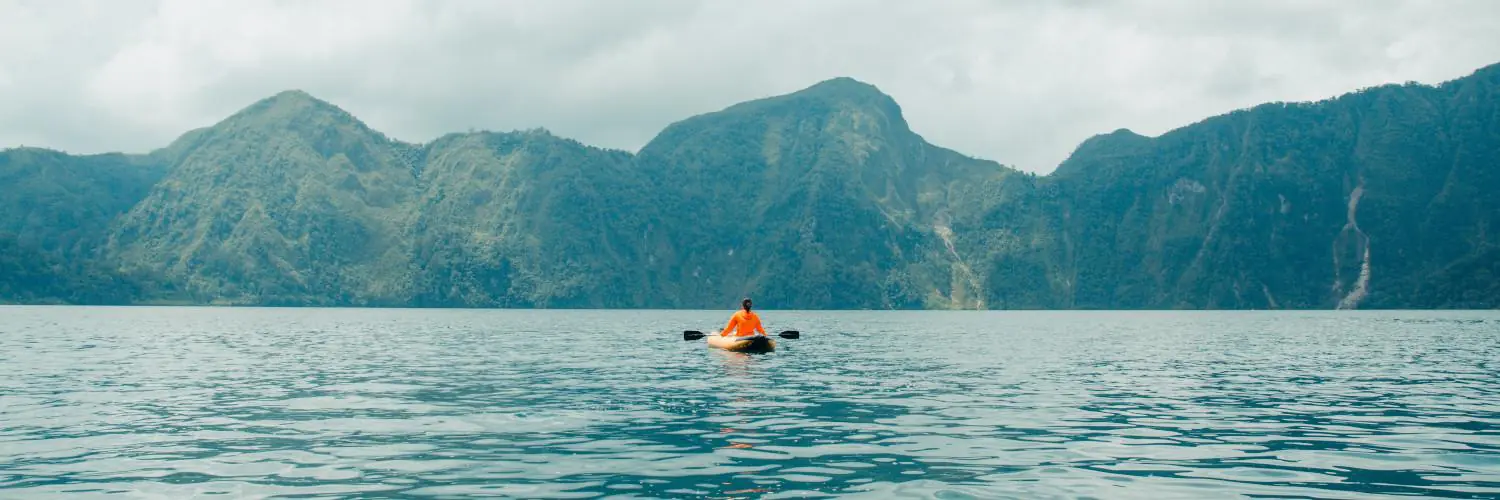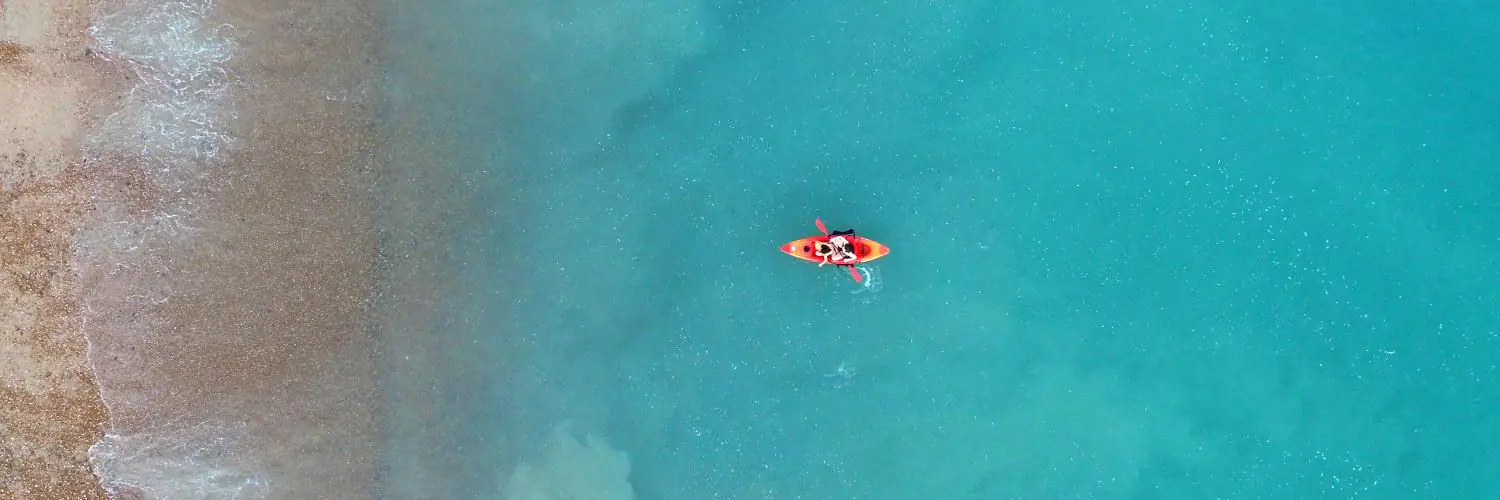
Kayaking in Michigan’s Upper Peninsula offers a quiet yet thrilling way to explore one of the Midwest’s most scenic regions. With access to three Great Lakes, thousands of inland lakes, and countless rivers, paddlers can experience everything from calm forest waterways to rugged coastal cliffs. The Upper Peninsula stands out as one of the best places in the country to kayak because of its mix of clear waters, dramatic landscapes, and easy access for all skill levels.
Those who venture onto these waters can paddle beneath colorful sandstone cliffs at Pictured Rocks, drift through wildlife-rich marshes, or explore hidden sea caves carved by time and waves. Each route reveals a different side of the peninsula’s natural beauty, from quiet inland lakes to the open expanse of Lake Superior.
Kayakers can choose self-guided trips or join local outfitters for guided experiences that highlight the area’s history, geology, and ecology. Whether exploring for a day or planning a multi-day adventure, the Upper Peninsula offers a rare blend of wilderness, tranquility, and adventure that keeps paddlers coming back.
Table of Contents
Top Kayaking Destinations in the Upper Peninsula
Michigan’s Upper Peninsula offers a mix of calm inland waters and rugged Great Lakes coastlines. Paddlers can explore sandstone cliffs, quiet forest rivers, and clear inland lakes surrounded by wilderness and wildlife.
Pictured Rocks National Lakeshore
Located along Lake Superior, Pictured Rocks National Lakeshore is one of the most recognized kayaking areas in the region. The shoreline stretches for about 15 miles between Munising and Grand Marais.
Kayakers see colorful sandstone cliffs rising up to 200 feet above the water. The cliffs display bands of red, orange, and green from mineral deposits.
Popular routes include paddling from Miners Beach to Chapel Rock or Spray Falls, where water drops directly into the lake. Calm mornings are best for safety, as wind and waves can change quickly.
Guided tours are available from local outfitters in Munising, offering single or tandem kayaks and safety gear. These tours often include stops at sea caves and natural arches visible only from the water.
Grand Island and Munising Area
Just offshore from Munising, Grand Island National Recreation Area provides sheltered paddling close to the mainland. The island’s sandstone cliffs, beaches, and old-growth forests make it a scenic and less crowded alternative to Pictured Rocks.
The full loop around the island covers about 30 miles, best suited for experienced paddlers. Shorter routes focus on the east side, where cliffs and caves mirror the mainland’s formations.
Wildlife sightings include bald eagles, loons, and deer along the shore. The island also holds remnants of 19th-century logging camps and lighthouses.
Outfitters in Munising rent kayaks and offer shuttles to the island. Many paddlers combine a day on Grand Island with a visit to the Munising Falls or the Great Lakes Shipwreck Museum nearby.
Au Train and Surrounding Lakes
The Au Train River and nearby Au Train Lake provide a calm and family-friendly kayaking experience. The river winds for about 10 miles through wetlands and forests before reaching Lake Superior.
Current is gentle, making it ideal for beginners or those looking for a quiet paddle. The route passes through the Hiawatha National Forest, where paddlers often see herons, turtles, and beavers.
Rental shops in Au Train offer kayaks, canoes, and shuttle services. The river’s sandy bottom and clear water make it easy to spot fish and aquatic plants.
Nearby inland lakes, such as Autrain Lake and Duck Lake, offer peaceful paddling with designated public access points and small campgrounds.
Indian River and Hiawatha National Forest
The Indian River flows through the heart of the Hiawatha National Forest, offering a mix of quiet stretches and light rapids. The river connects several small lakes, creating a natural route for half-day or full-day trips.
Dense pine and hardwood forests line the banks, providing shade and habitat for wildlife. The area is known for sightings of otters, herons, and occasional moose.
Access points near Manistique and Sawyer Lake make it easy to plan self-guided trips. Local outfitters provide maps and rentals for those exploring deeper into the forest.
Because the river’s flow can vary with rainfall, paddlers should check conditions before launching. Early summer and fall offer the best combination of water levels and scenery.
Iconic Natural Features to Explore by Kayak
Michigan’s Upper Peninsula offers striking natural landmarks shaped by water, wind, and time. Paddlers can explore sandstone cliffs, hidden sea caves, cascading waterfalls, and quiet beaches that line the Lake Superior shoreline, each revealing a different side of this rugged region.
Sandstone Cliffs and Sea Caves
The sandstone cliffs along Pictured Rocks National Lakeshore rise up to 200 feet above Lake Superior. Iron, copper, and manganese minerals stain the rock in streaks of red, orange, and green. From a kayak, paddlers can see these layers close up and trace the patterns carved by centuries of waves and ice.
Sea caves form where softer rock erodes faster, leaving narrow tunnels and arches. Popular routes near Miners Beach and Grand Island allow kayakers to paddle directly beneath overhangs and through small caverns. Calm mornings offer the best conditions, as wind and waves can change quickly.
Local outfitters often provide guided tours that include safety gear and route planning. Many visitors find that early summer and late fall bring the clearest water visibility for viewing submerged rock formations.
Waterfalls and Scenic Shorelines
Dozens of waterfalls drop into or near the Lake Superior shoreline. Spray Falls plunges 70 feet directly into the lake, while Bridalveil Falls spills over a sandstone cliff visible only from the water. These sites combine vertical rock faces, mist, and forested backdrops that are best photographed from a kayak’s low angle.
Farther east, Tahquamenon Falls State Park features both upper and lower falls on the Tahquamenon River. Kayakers often paddle the lower section, where the river flows gently toward Lake Superior. The amber color of the water, caused by natural tannins, gives the falls their distinct appearance.
Paddling near waterfalls requires caution. Strong currents and cold water can make close approaches unsafe. Staying a safe distance while observing from calm water ensures a better and safer experience.
Beaches and Dunes
The Upper Peninsula’s beaches and dunes offer quiet rest stops and scenic views of open water. AuTrain Beach near Munising provides a gentle landing spot with nearby dunes shaped by wind. The sand is fine and pale, contrasting with the darker rock formations to the west.
Kayakers often stop at small coves between Sand Point and Twelvemile Beach. These areas provide access to short hiking trails and picnic spots. Wildlife sightings are common here, especially shorebirds and gulls that feed along the waterline.
Some beaches have limited facilities, so paddlers should pack essentials and follow Leave No Trace practices. Calm days make for easy landings, but shifting winds can quickly create surf along exposed stretches.
Chapel Rock and Lovers Leap
Chapel Rock stands as one of the most photographed landmarks on Lake Superior. The stone pillar once connected to the mainland by an arch now supports a lone white pine whose roots stretch across open air to the forest behind it. Kayakers can view it from the water near Chapel Beach, where the cliff base meets turquoise shallows.
Nearby, Lovers Leap Arch forms a natural bridge carved by wave erosion. The opening is large enough for small kayaks to pass through when lake conditions are calm. The arch’s shape changes subtly each year as freeze-thaw cycles continue to wear away the sandstone.
Both formations highlight the ongoing geological processes that define the Pictured Rocks coast. Paddlers who explore these sites gain a clear view of how Lake Superior continues to shape Michigan’s northern shoreline.
Kayaking Tours, Rentals, and Guided Experiences
Visitors can explore Michigan’s Upper Peninsula by joining guided kayak trips, boarding scenic boat tours, or renting canoes and stand-up paddleboards. Each option offers a different way to experience the region’s lakes, rivers, and shoreline while staying close to nature.
Guided Kayaking Tours
Guided kayaking tours help paddlers explore safely while learning about the area’s geology and wildlife. Companies such as Paddling Michigan and Keweenaw Adventure Company lead half-day and full-day trips across Lake Superior, the Keweenaw Peninsula, and inland waterways.
Many tours include instruction for beginners, gear rental, and safety equipment. Some guides also share local history, point out rock formations, and identify bird and plant species along the route.
Group sizes are often small, which allows for personal attention and a relaxed pace. Travelers can choose between calm inland lakes or more challenging coastal routes depending on their skill level.
| Tour Type | Typical Duration | Common Locations |
|---|---|---|
| Beginner Lake Tour | 2–3 hours | Marquette, Munising |
| Coastal Adventure | Half or Full Day | Keweenaw Peninsula |
| Overnight Trip | 1–2 nights | Government Island, Isle Royale |
Boat Tours and Pictured Rocks Kayaking
Boat and kayak tours around Pictured Rocks National Lakeshore highlight colorful cliffs, sea caves, and waterfalls that are visible only from the water. Pictured Rocks Kayaking and Paddling Michigan both operate guided trips that launch from boats, allowing paddlers to cover more distance and access remote areas safely.
These excursions often include waterproof gear, basic instruction, and a support vessel nearby. The combination of motorized transport and paddling gives visitors a close view of natural arches and sandstone formations without long open-water crossings.
Photography is a major draw, and calm morning conditions usually offer the best lighting. Families and small groups often prefer these tours because they balance comfort with adventure.
Canoe and SUP Rentals
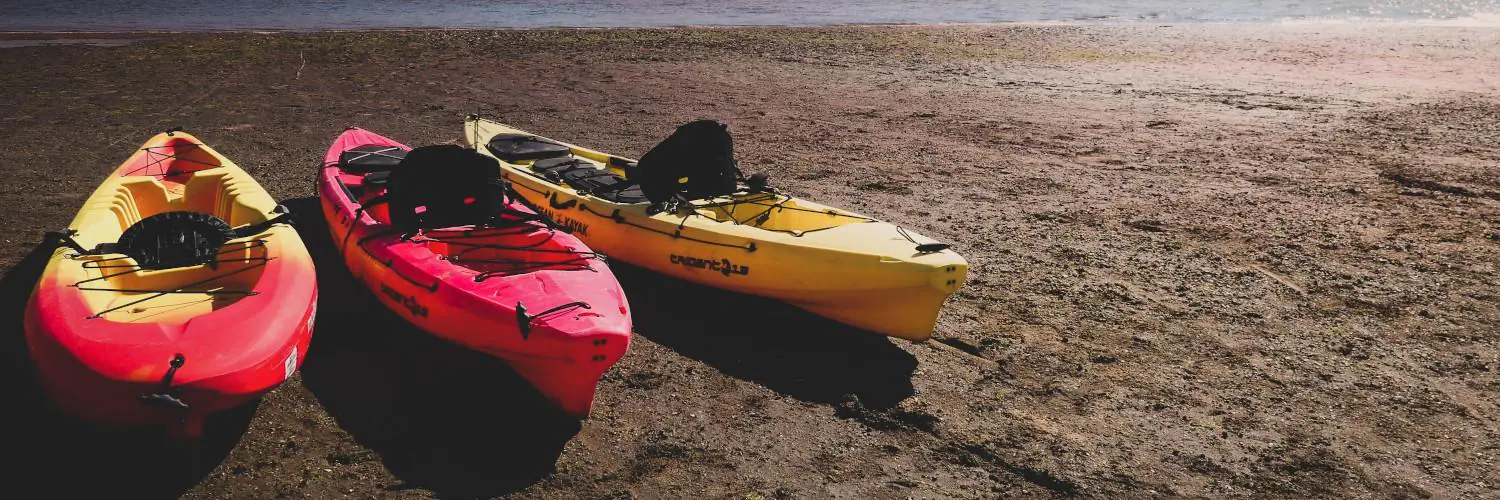
For travelers who want independence, canoe and SUP (stand-up paddleboard) rentals are available at many marinas and outfitters across the Upper Peninsula. Locations such as Marquette Adventures and Winter Haven Motel & Pine Stump Junction Rentals provide hourly or daily rentals with basic gear.
Canoes work well for exploring quiet inland rivers and wetlands, while SUPs are popular on smaller lakes and bays. Rental staff often share local tips about launch points and safe paddling routes.
Many rental shops also offer shuttle services for one-way river trips. This flexibility allows paddlers to explore at their own pace while still relying on local support for logistics and safety.
Adventure Activities Beyond Kayaking
Michigan’s Upper Peninsula offers many ways to explore its rugged landscape. Visitors can hike forested trails, bike along scenic routes, or fish in quiet inland lakes and Great Lakes shorelines.
Hiking Trails and Biking Routes
Hikers find hundreds of miles of trails crossing forests, waterfalls, and rocky bluffs. Pictured Rocks National Lakeshore features paths like the Chapel Loop Trail, where sandstone cliffs rise above Lake Superior. In Porcupine Mountains Wilderness State Park, the Escarpment Trail gives wide views of Lake of the Clouds and old-growth forests.
Bikers enjoy both paved and off-road routes. The Iron Ore Heritage Trail runs about 47 miles through Marquette County, linking historic mining sites and small towns. Mountain bikers favor the Copper Harbor Trails, known for well-marked loops, steady climbs, and lake overlooks. Many routes allow rental bikes and guided rides.
| Area | Type | Notable Feature |
|---|---|---|
| Pictured Rocks | Hiking | Cliff views and waterfalls |
| Copper Harbor | Mountain biking | Technical trails and lake views |
| Iron Ore Heritage Trail | Biking | Historic mining route |
Fishing and Outdoor Recreation
Anglers can fish year-round across the Upper Peninsula’s rivers and lakes. Lake Superior, Lake Michigan, and Lake Huron hold trout, salmon, and walleye. Smaller inland lakes near Seney National Wildlife Refuge and Tahquamenon Falls State Park offer quiet shorelines for canoe or kayak fishing.
Fly fishers often visit the Two-Hearted River for brook and steelhead trout. Ice fishing is common in winter on Little Bay de Noc, where perch and walleye are plentiful.
Beyond fishing, visitors can camp in state parks, swim at sandy beaches, or watch wildlife such as loons, deer, and bald eagles. Many outfitters provide gear rentals, making outdoor recreation accessible to both beginners and experienced travelers.
Planning Your Kayaking Trip
Kayakers can make the most of Michigan’s Upper Peninsula by choosing the right season, preparing for weather changes, and knowing where to stay. Access to reliable outfitters, safe lodging, and local guidance helps ensure a smooth and enjoyable trip across the region’s lakes and rivers.
Best Times and Safety Tips
Late spring through early fall offers the best paddling conditions. June to September brings warmer water and calmer weather, especially along Lake Superior near Munising and the Pictured Rocks area. Early mornings often have lighter winds, making them ideal for beginners.
Paddlers should always wear a U.S. Coast Guard–approved life jacket and check weather forecasts before launching. Sudden fog and cold water are common, even in summer. A dry suit or wetsuit is recommended for longer trips on Lake Superior.
Avoid paddling too close to cliffs or caves when waves are high. Strong currents can develop near river mouths and open bays. Keeping a waterproof map, whistle, and first aid kit helps in emergencies. Local rangers and tour guides can provide up-to-date safety information for each route.
Where to Stay and Camp
The Upper Peninsula offers a mix of campgrounds, cabins, and lodges near popular launch points. Many paddlers stay near Munising, where options like Paddlers Village and Au Train Beach Campground provide easy access to Pictured Rocks and nearby rivers.
Paddlers Village offers tent sites, yurts, and small cabins right on Lake Superior’s shore. Au Train Beach Campground sits near sandy beaches and calm waters, ideal for families or new kayakers. Both locations have restroom facilities and gear storage areas.
Those looking for more comfort can book vacation packages that include kayak rentals, guided tours, and lodging. Travelers exploring the Keweenaw or Marquette areas will find small motels and state park campgrounds close to launch sites. Reservations are recommended in summer.
Local Resources and Outfitters
Several local outfitters provide rentals, guided tours, and shuttle services. In the Munising area, companies like Paddling Michigan and Pictured Rocks Kayaking offer half-day and full-day trips along the cliffs and caves of Lake Superior.
Farther west, the Keweenaw Adventure Company organizes tours around Copper Harbor and Isle Royale. Many outfitters supply all gear, including kayaks, paddles, and safety equipment, making it easy for travelers without their own gear.
Some businesses also provide shuttle services for one-way river trips or multi-day excursions. Visitors can contact local tourism offices for updated maps, launch site details, and water condition reports before heading out.