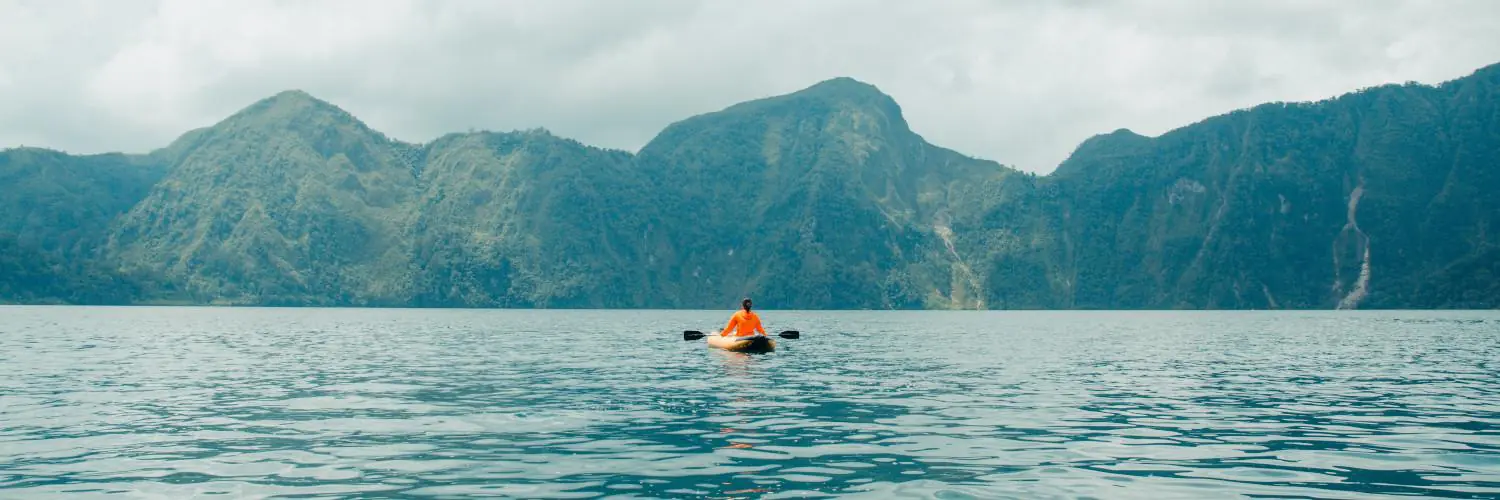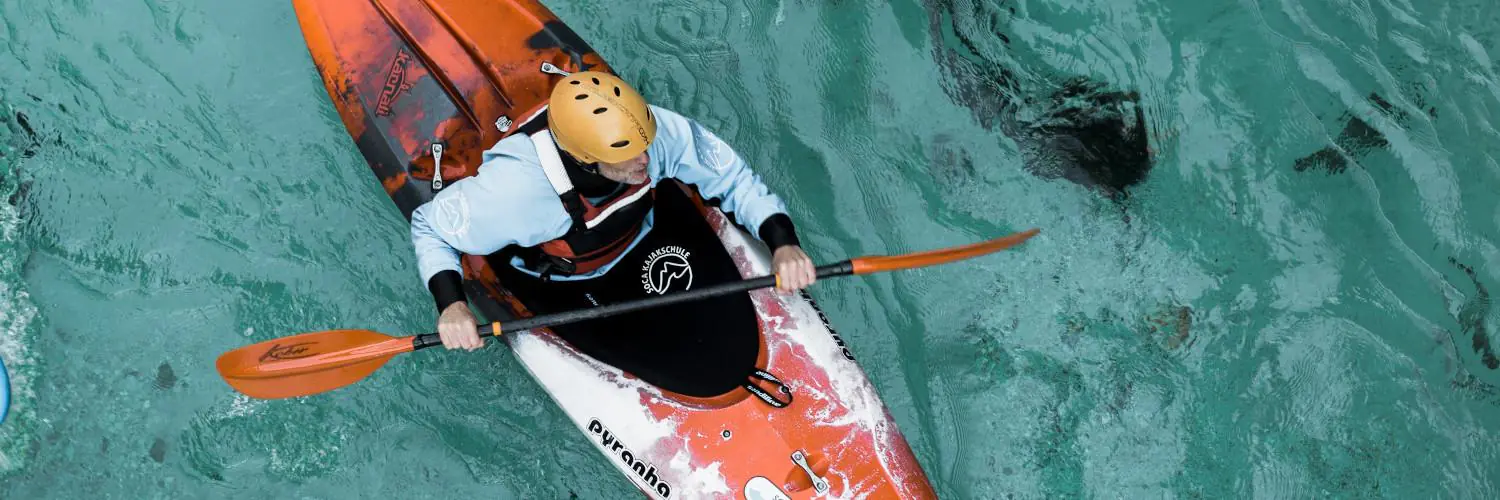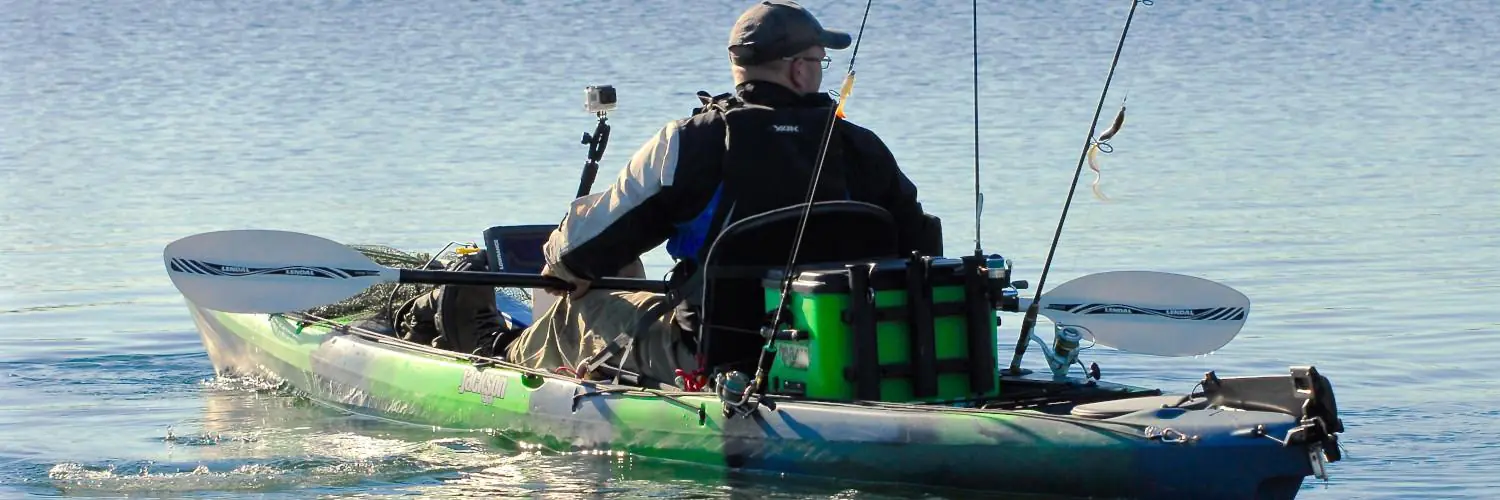
Kayaking in Yellowstone offers a unique way to see the park’s beauty away from the usual crowds. Exploring Yellowstone Lake by kayak lets visitors experience quiet waters, spot wildlife, and see geothermal features from a new perspective. Many guided tours, including those ranked as top experiences in the park, keep group sizes small so guests can enjoy a peaceful adventure.
Several companies offer both guided kayak tours and fishing trips within Yellowstone and nearby areas. While sea kayak or canoe rentals are not available inside the park, visitors can join guided group trips or find rentals in nearby towns like Gardiner, West Yellowstone, or Jackson. These adventures help people connect with nature while learning more about Yellowstone’s rich landscapes.
Table of Contents
Overview of Yellowstone Kayak Adventures
Yellowstone National Park offers visitors a unique way to explore its vast and scenic lakes through guided and self-guided kayak tours. Paddling across these waters lets people experience wildlife, geothermal features, and peaceful landscapes away from busy crowds.
What to Expect on a Kayaking Tour
Kayaking tours in Yellowstone are designed for both beginners and experienced paddlers. Most tours begin near Yellowstone Lake, the park’s largest lake.
Participants are given a safety talk, fitted with life jackets, and instructed on basic paddling techniques. Experienced guides lead small groups, helping guests spot wildlife such as eagles, elk, and sometimes otters.
The tours often pass near geothermal areas, including the West Thumb and Potts Geyser basins. Sights include steaming vents along the shoreline and crystal-clear water. Water conditions are usually calm, but guides watch the weather and cancel if necessary. Tours range from a few hours to a full day.
Key Features of Yellowstone Kayaking Experiences
Kayak tours in Yellowstone are small-group experiences. Many operators, including authorized permittees, limit tours to six or fewer guests, giving everyone a more personal adventure.
All kayaks are stable and well-maintained. Safety gear, like paddles and life vests, is always included.
Guides highlight unique features such as:
- Protected bays
- Wildlife habitats
- Hot springs and mud pots visible from the water
Many tours include educational talks about the park’s history and ecology. Visitors gain a different perspective of well-known areas, away from typical overlooks and boardwalks.
Types of Kayak Tours Available
Yellowstone offers several types of kayak tours:
| Tour Type | Description | Typical Duration |
|---|---|---|
| Standard Day Tours | Explore main highlights and wildlife viewing areas. | 2-4 hours |
| Sunset Tours | Experience the lake at dusk with fewer crowds. | 2-3 hours |
| Extended/Full-Day | Paddle further to see remote features. | 6-8 hours |
| Specialty Tours | Focus on photography, fishing, or ecology. | Varies |
Options may also include stand-up paddleboard (SUP) rentals, but traditional kayaks remain the most popular for safety and comfort. Guided fishing excursions are sometimes available.
Choosing Guided Versus Self-Guided Tours
Visitors can choose between guided and self-guided kayak adventures.
Guided Tours:
- Run by authorized permittees
- Include safety briefings, equipment, and trained guides
- Great for those new to kayaking or Yellowstone
- Offer local knowledge for wildlife and geothermal views
Self-Guided Tours:
- Paddlers must bring or rent their own kayak and safety gear
- Must obtain a permit from the National Park Service
- Good for those experienced with paddling and navigation
- No guide support, so self-reliance and planning are crucial
Guided tours are recommended for most guests, especially those unfamiliar with the area or weather patterns on large mountain lakes.
Top Destinations for Kayaking in Yellowstone
Yellowstone offers unique places to kayak, where paddlers can see wildlife, geothermal features, and breathtaking scenery. Each spot provides a different way to experience the park’s lakes and natural wonders.
Yellowstone Lake
Yellowstone Lake is the largest high-elevation lake in North America, surrounded by forested hills and mountains. It is often the centerpiece for kayaking trips in Yellowstone National Park. Here, conditions can change quickly, so paddlers should always check weather forecasts before heading out.
There are several launch sites, with the most popular being the Grant Village Marina. Kayakers often enjoy the clear, cold water and far-reaching views. Wildlife sightings may include bald eagles, otters, and sometimes elk near the shoreline.
A kayak trip across Yellowstone Lake provides a chance to see natural wonders that can’t be reached by car or foot. The shoreline varies from forested coves to steep cliffs, delivering a variety of landscapes to explore.
West Thumb Geyser Basin
The West Thumb Geyser Basin lies along the western edge of Yellowstone Lake. This area features hot springs, steam vents, and geysers that are visible from the water.
Kayakers in West Thumb can paddle close to the edges—though not directly over any visible thermal features, as this is both unsafe and not allowed. The views are striking, with steam rising off the shore and colorful pools shimmering nearby.
It is one of the few spots where thermal features meet a large body of water. Early mornings are usually calmest, making this an ideal time for beginners and photographers seeking still reflections.
Grant Village Marina and Surroundings
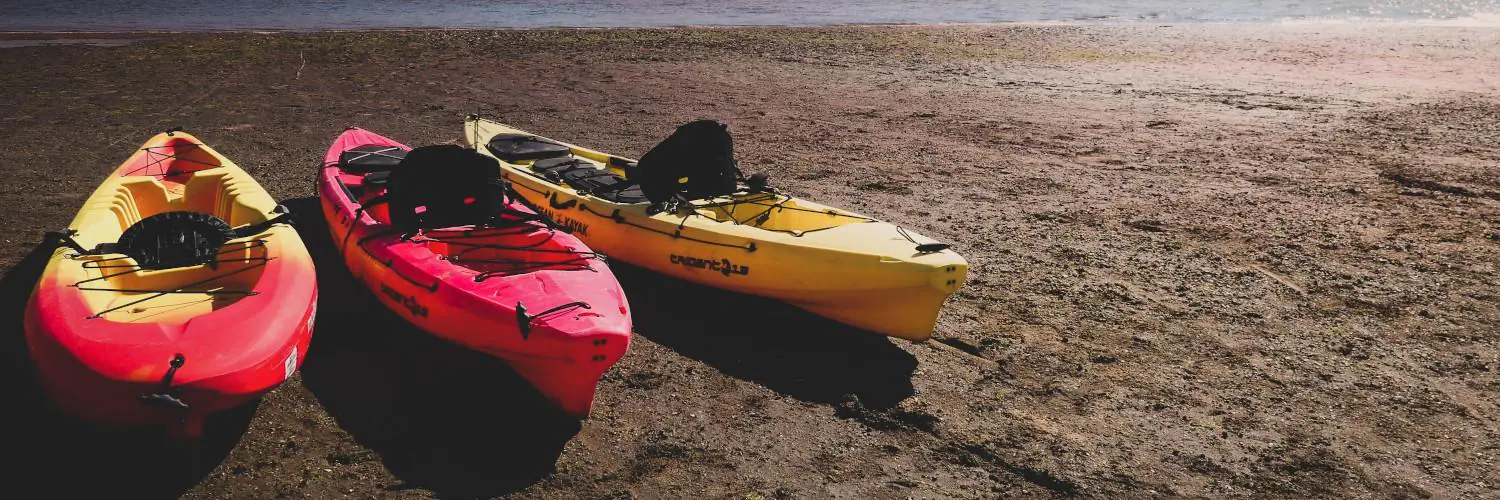
Grant Village Marina serves as a main access point for kayaking on Lake Yellowstone. There are often kayak rentals and guided tours available here, making it convenient for visitors who do not bring their own gear.
From the marina, paddlers can explore nearby inlets and coves that are less traveled. Wildlife watching is rewarding, and quiet observers might see waterfowl or hear loons calling over the lake.
This area is a good starting point for both short paddles and longer journeys along the southern shore. Detailed maps and basic amenities, like restrooms and parking, are available at the marina, providing extra peace of mind for new visitors.
Exploring Geothermal Features by Water
Kayaking allows for close-up views of Yellowstone’s famous geothermal wonders found along the shoreline of Yellowstone Lake, especially near West Thumb. Steaming vents, bubbling pools, and occasional geyser eruptions create a distinct landscape unique to national parks.
Being on the water gives paddlers a safe viewpoint, away from the delicate and dangerous ground surrounding many thermal areas. This perspective makes it easier to spot unusual colors and geological features formed by heat and minerals.
A guided tour can be helpful for those wanting extra safety and information about the thermal features. Knowledgeable guides ensure rules are followed, including keeping a safe distance from all geothermal sites, and can answer questions about Yellowstone’s geology.
Planning Your Kayaking Adventure
Choosing the right season, the right gear, and an appropriate tour option ensures a safe and enjoyable kayaking adventure in Yellowstone. Paying attention to weather, equipment, and group size can make a big difference, whether for a day trip or a sunset paddle.
Best Time of Year for Yellowstone Kayak Tours
The paddling season in Yellowstone usually runs from late spring to early fall. The best months are June through early September, when the weather is warmest and lake and river conditions are more stable.
Early summer brings higher water levels and cooler temperatures. This suits those looking for more active paddling or a challenge. Late summer offers calmer water and milder conditions, which are good for beginners or families.
Kayakers should avoid paddling during storms or strong winds, as conditions can change fast. Evening and sunset tours are popular for their calm water and scenic views, but temperatures can drop quickly, so extra layers are recommended. Always check park regulations and seasonal closures before setting out.
Essential Gear and Preparation Tips
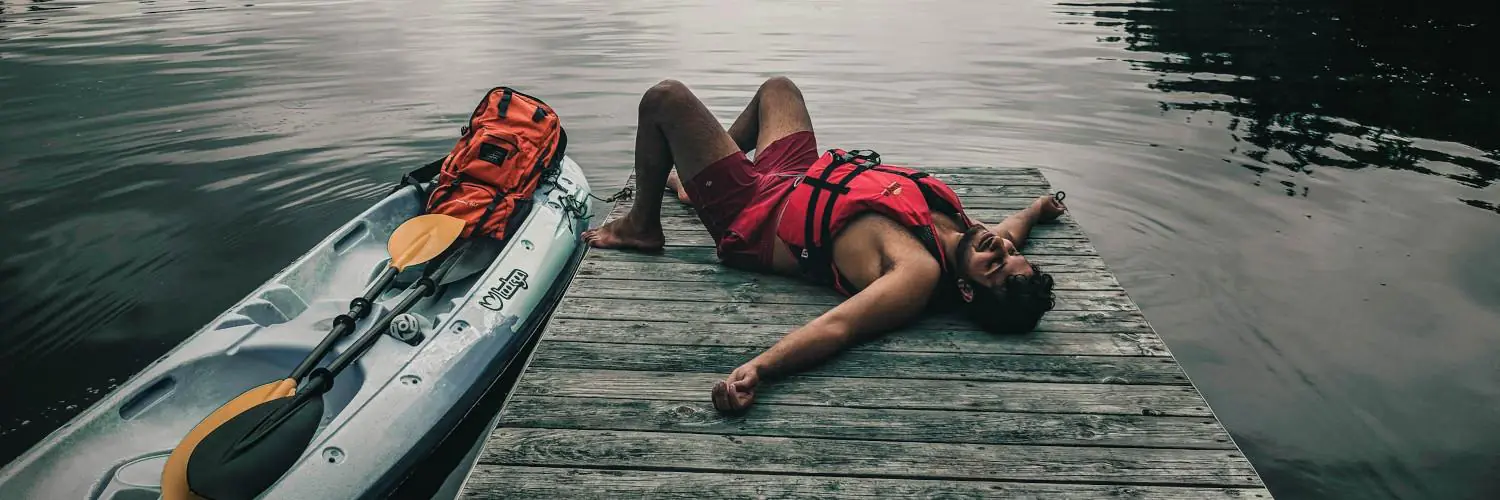
Each kayaker should have a properly fitted personal flotation device (PFD), a strong paddle, and a well-maintained kayak. Layered clothing is important since weather in Yellowstone can change quickly, even in summer. Quick-drying and moisture-wicking fabrics work best.
It’s key to pack safety equipment such as a whistle, dry bag, first aid kit, and water bottle. In colder months or for longer full day adventures, bring a splash jacket and extra dry clothes.
A checklist helps:
- PFD
- Paddle
- Waterproof bag
- First aid kit
- Snack and water
- Sun protection (hat, sunscreen, sunglasses)
- Map or GPS
Permits may be needed for some water bodies. Always review park and river rules, and consider a briefing or lesson if new to kayaking Yellowstone’s unique geothermal areas.
Understanding Group Size and Tour Options
Kayaking tours in Yellowstone range from small, personal groups to larger guided trips. Group sizes are often limited to increase safety and improve each paddler’s experience. Some operators keep group sizes at around six participants, which allows for more attention from guides.
Tour options include half-day experiences for those short on time and full day adventures for those who want to see more. Sunset tours are available and offer a quieter atmosphere and different wildlife viewing.
Beginner-friendly tours use stable, sit-on-top kayaks and move at a relaxed pace. More advanced tours may offer longer distances or rougher water sections. When choosing a tour, paddlers should consider group size, kayak type, and the difficulty rating to match their skills and preferences. Booking in advance is recommended, especially in peak season.
Wildlife and Natural Wonders to Observe
Kayaking in Yellowstone National Park gives visitors the chance to see animals in their natural habitats and explore unique landscapes shaped by geothermal activity. Paddlers should look out for wildlife and natural features both above and below the water.
Wildlife Encounters: Elk, Bear, and More
Yellowstone is home to a variety of wildlife, and kayaking offers a chance to spot animals not always seen from land. Elk are often seen near lake shores, especially in the early mornings or at sunset. They may be grazing in the meadows or drinking at the water’s edge.
Black bears and grizzly bears may be visible in the distance, especially near forested areas. While bear encounters on the water are uncommon, paddlers should always keep a safe distance and never attract their attention with food.
Other animals that might be seen include bald eagles, ospreys, otters, and waterfowl. Binoculars can be helpful for spotting birds nesting in trees or flying over the lake. Always observe wildlife quietly and respect their space.
Ecosystems and Unique Landscapes
Yellowstone’s lakes and rivers are surrounded by a mix of forests, meadows, and dramatic geothermal features. Yellowstone Lake, the largest in the park, displays underwater geysers, hot springs, and steam vents along its shores.
Paddlers may see transparent blue pools, bubbling mud pots, or steam rising from the water’s surface in places. These sights are most common near geothermal areas like West Thumb Geyser Basin. Forested shoreline, wildflowers, and mountain views create a unique backdrop.
The clear water lets kayakers see fallen trees, rocky bottoms, and sometimes native fish swimming below. Exploring these varied environments provides a new perspective on the park’s diverse ecosystems.
Photography Tips for Kayakers
Taking photos from a kayak can be rewarding but also challenging. Water-resistant gear is recommended to keep cameras and phones safe. Bring a dry bag or case for extra protection.
Light is often best early or late in the day, so morning or sunset paddles give soft, golden tones. To photograph wildlife, use zoom or telephoto settings and avoid sudden movements that could disturb animals.
Try to frame both the landscape and wildlife in the shot. Interesting angles, such as the reflection of steam or mountains in the water, can make photos stand out. For clear images, sit still and stabilize the camera against the kayak when taking pictures.
Pairing Kayak Adventures with Other Activities
Combining kayaking with other outdoor experiences in Yellowstone can make each day unique. Many visitors find that including guided tours and exploring on foot adds more depth to their trip.
Hiking Tours and Paddle Combo Experiences
Some local guides offer combo tours that mix kayaking and hiking in a single day. For example, Shurr Adventures runs a Two Lakes Kayaking and Hiking Combo Adventure near Grant Village. This trip lets guests paddle across calm waters and then hike scenic trails, all in a small group with personal attention.
Guides share facts about the area’s wildlife, plants, and history during the tour. Kayak-hike combos often include stops at quiet coves or points with wide lake views. It is a good way to see both the water and trails without needing to plan two separate adventures.
Lunch is usually included, and guides help with all gear. This makes the experience smooth and less stressful for those new to Yellowstone.
Exploring Geyser Basins and Hiking Trips
After a kayak tour, exploring Yellowstone’s famous geyser basins on foot is a favorite choice. Areas like West Thumb Geyser Basin are close to the lakes and can be reached quickly by car. Visitors walk on boardwalks past hot springs, geysers, and colorful pools.
Hiking trips in the park can range from easy strolls to challenging hikes up to clear viewpoints or deeper into forests. Park-approved hiking guides often know the best times and trails to avoid crowds. Common destinations near the lakes include Storm Point Trail and hikes near the East Entrance.
Many outfitters can recommend hiking routes based on the group’s experience and interests. This makes it easy to see both the thermal features and quiet parts of the park.
Recommended Local Guides and Outfitters
Choosing the right guide helps make any combo tour safer and more enjoyable. Reliable outfitters like Shurr Adventures are well-known for small group sizes and knowledgeable guides. They focus on safety, wildlife viewing, and sharing local stories.
Rendezvous River Sports also offers multi-day kayak trips for those who want a longer adventure on Yellowstone Lake. Their guides are trained in safety and wilderness skills.
For those interested in day trips, it helps to ask guides about the group-to-guide ratio and what equipment is included. Many local guides provide all the gear, as well as transportation to launch points or trailheads. Always check reviews and confirm the company’s permits for operating inside the park.
Booking, Safety, and Practical Information
Booking a kayak tour in Yellowstone means choosing the right guide, following park rules, and getting practical tips to prepare for the experience. Kayakers should pay close attention to safety practices, operator reputation, and area-specific guidelines.
How to Choose a Tour Operator
Selecting a tour company is important for a safe and enjoyable trip. Look for operators with trained guides, quality equipment, and strong safety records. Many top-rated tours leave from Grant Village or the shore of Yellowstone Lake.
Check reviews on websites like TripAdvisor to learn about customer experiences. Smaller group sizes often provide more personal attention and a better learning environment. Some tours offer single, tandem, or even triple kayaks, which lets visitors pick the best fit for their needs.
Booking in advance is recommended, especially during busy summer months. Look for clear information on what is included, such as safety gear, snacks, or picnic lunches. If traveling with kids or first-timers, seek out companies known for beginner-friendly instructions and thorough safety talks.
Safety Guidelines and Park Regulations
Yellowstone has strict rules to protect visitors and nature. Life jackets (PFDs) must be worn at all times. Weather on Yellowstone Lake can change fast, with cold water temperatures even in summer, so proper clothing is essential.
Never kayak alone and always follow the guide’s instructions. Groups should stay together and avoid approaching wildlife or geothermal areas like the West Thumb Geyser Basin too closely. Pets are not allowed on kayaks or launch sites.
Permits may be needed for private boats, so check with park authorities before arrival. Operate only in designated areas; entering restricted zones is dangerous and can result in fines. Tour guides will explain all local regulations during their safety briefings.
Visitor Resources and Tips
First-time kayakers should arrive early for orientation and safety talks, often starting as early as 7:30 am. Most guided trips provide gear, but visitors should bring sunscreen, water, quick-dry clothes, and a hat. Layering is key, as weather can shift quickly.
Facilities like Grant Village offer restrooms, parking, and sometimes food options. Use the National Park Service website for maps and official updates about permits or closures.
For those interested in other locations, compare Yellowstone tours with those in the Everglades to better understand differences in scenery, wildlife, and trip demands. Reading recent TripAdvisor reviews can offer insights about guides, conditions, and tips from fellow travelers.